
 Charlotte Moore
 Smartphones dominate contemporary existence because they determine all social, professional, and leisure activities throughout various age groups. People today struggle with mobile phone usage because their earlier tech experiences established routine behavior patterns which conflict with current smartphone behavior. Younger users observe these instances right away without judgment because they feel secondhand embarrassment which shows mobile phone usage rules have changed throughout all public and private spaces in contemporary society.

Public Speakerphone Conversations

People who work in open areas tend to make phone calls through speakers which broadcast their private conversations across shared spaces. The younger generation who grew up using earbuds and voice notes will interpret this situation
as a person who lacks social awareness while their speaking volume and open demeanor make others feel uncomfortable.
Treating Every Notification as Urgent

The response to every alert requires complete focus which includes using sound effects and delivering verbal responses to alerts which creates an overwhelming experience in spaces where most people prefer to read their notifications silently. The younger users who customize their alerts and triage their messages through silent means, find this behavior disturbing because it transforms their personal device into a public announcement system.
Holding the Phone at Maximum Brightness
Using a phone with the screen brightness permanently set to its highest level can draw attention in dim rooms, meetings, or nighttime settings. Younger users often adjust brightness instinctively, so the glowing screen feels unnecessarily disruptive and visually jarring.
Typing One Letter at a Time

The method of typing with one finger at a time proceeds at a slower pace than people who use two thumbs to type because they developed their typing skills during their early childhood years. The method people speak through digital channels creates an impression of time passing more slowly because they need to stop between words while making their speech visible to others.
Ignoring Software Updates.

Postponing software updates without any scheduled time for their execution will create system failures and security vulnerabilities and result in using outdated system functionalities. Younger users who grew up with automatic updates become frustrated when they encounter basic technical issues that occur because their devices lack current technological advancements.
Reading Messages Aloud While Responding

Some older users read incoming messages out loud as they arrive, unintentionally sharing private or work-related content with anyone nearby. This habit clashes with the unspoken expectation that phone interactions remain discreet, especially in public or professional spaces.
Using Ringtones at Full Volume.
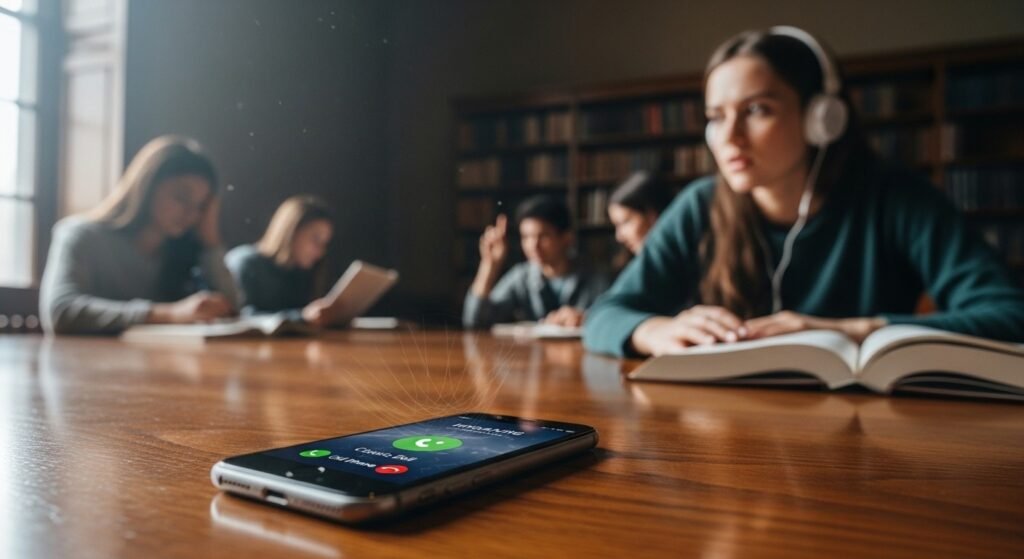
The loudness of classic ringtones causes them to startle people who are present in quiet settings. The sudden sound of the ringtone interrupts younger users who prefer to use their devices with vibration or soft sounds.
Resisting Basic Phone Shortcuts

The absence of swipe gestures and quick search and voice command functions makes phone operation tougher for users. Users who prefer fast results experience discomfort because their required tools for learning new skills are not available to them.