 Charlotte Moore
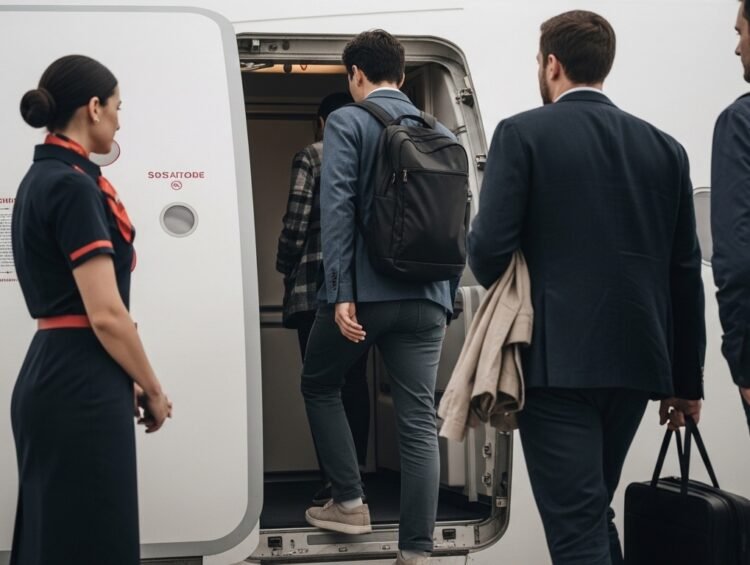
 Many passengers notice that flight attendants often glance at people while they board the plane. One small detail they may observe is footwear. The connection between the two elements seems surprising but it actually shows how people need to develop their safety awareness skills. Cabin crew members receive training to maintain their focus while observing passenger behavior during the entire preflight period. Crew members use these quick checks to identify those who can handle specific situations while maintaining efficient operations for all passengers traveling with them.
Part of Safety Observation
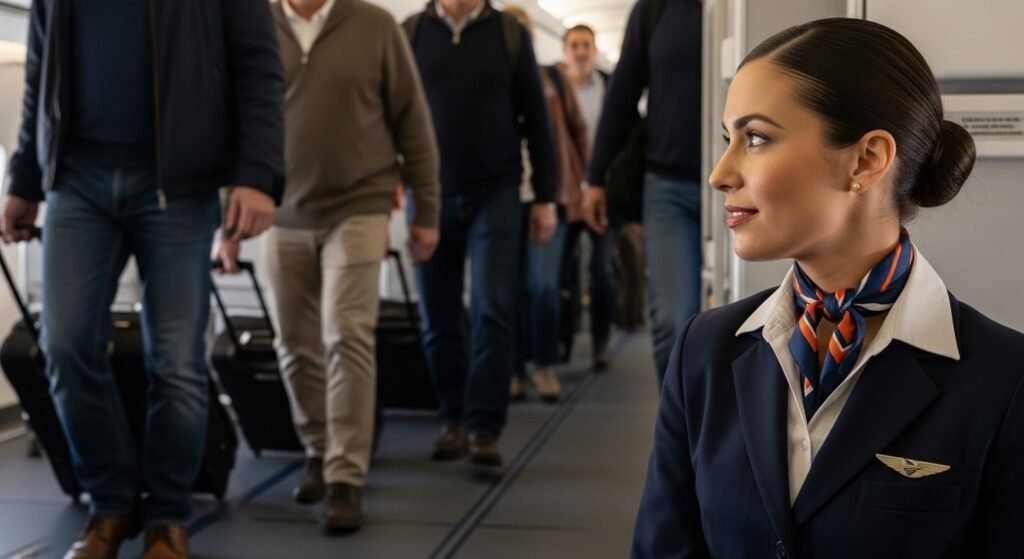
Flight attendants observe passengers as part of their safety routine from the moment boarding starts. The initial assessment process at airports begins with shoe identification which enables officers to gather information about passengers without disrupting their boarding progress.
Identifying Able-Bodied Passengers
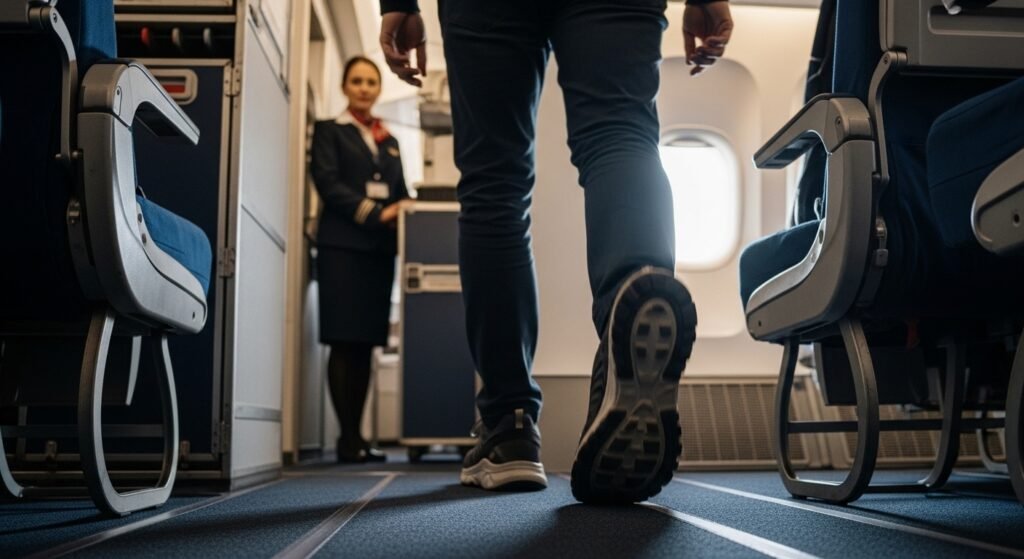
During emergencies crew members will ask nearby passengers to assist them. Sneakers and flat shoes function as practical footwear which indicates that someone can run fast to provide help when necessary.
Checking for Mobility Awareness
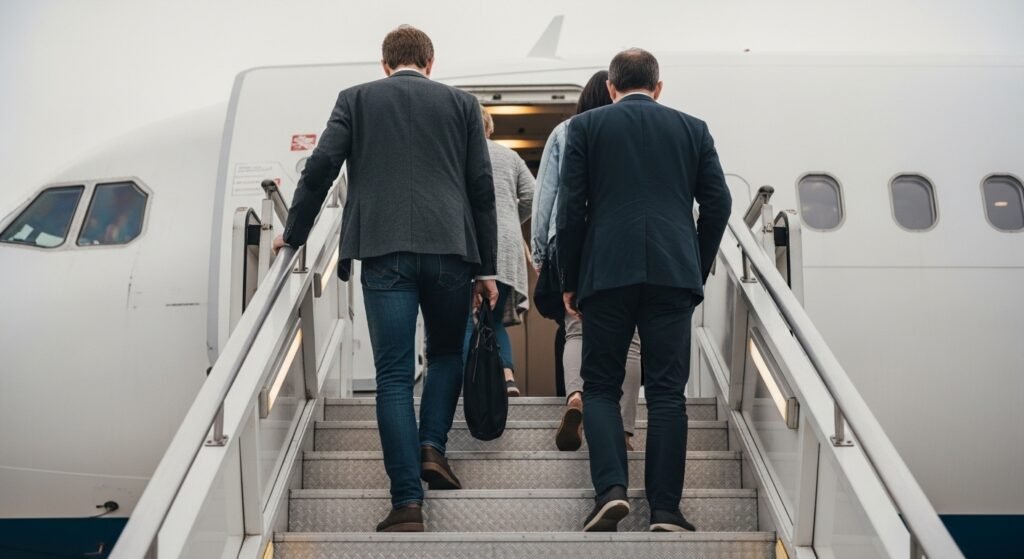
Shoe types provide information about a person’s ability to traverse distances. Stable footwear provides better balance while specific shoe types restrict people from moving at their usual speed.
High Heels and Emergency Situations
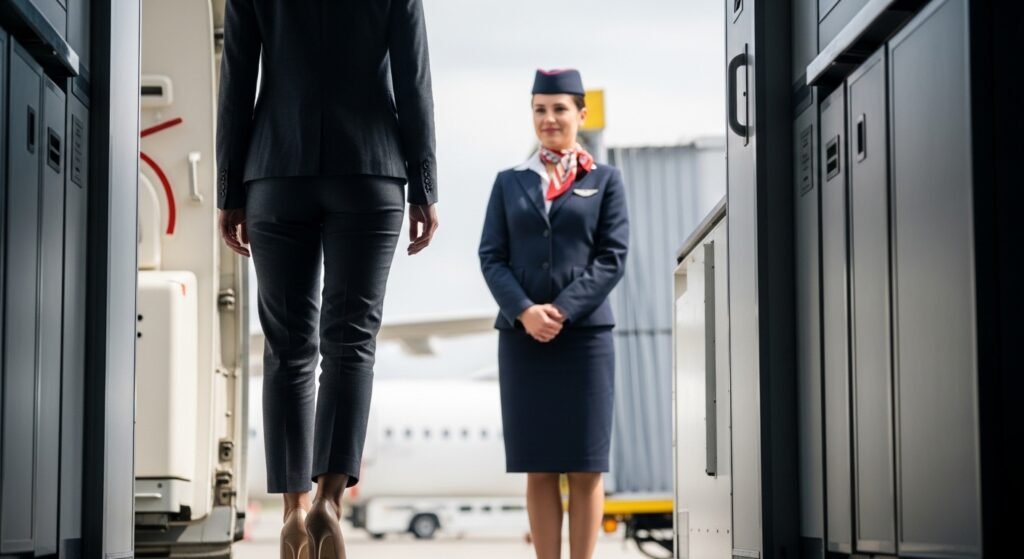
During an evacuation procedure crew members instruct passengers to take off their high heels. The crew maintains their watchfulness because high heels create two different problems which include damaging evacuation slides and making it hard for evacuees to maintain their balance.
Helps Assign Emergency Exit Roles
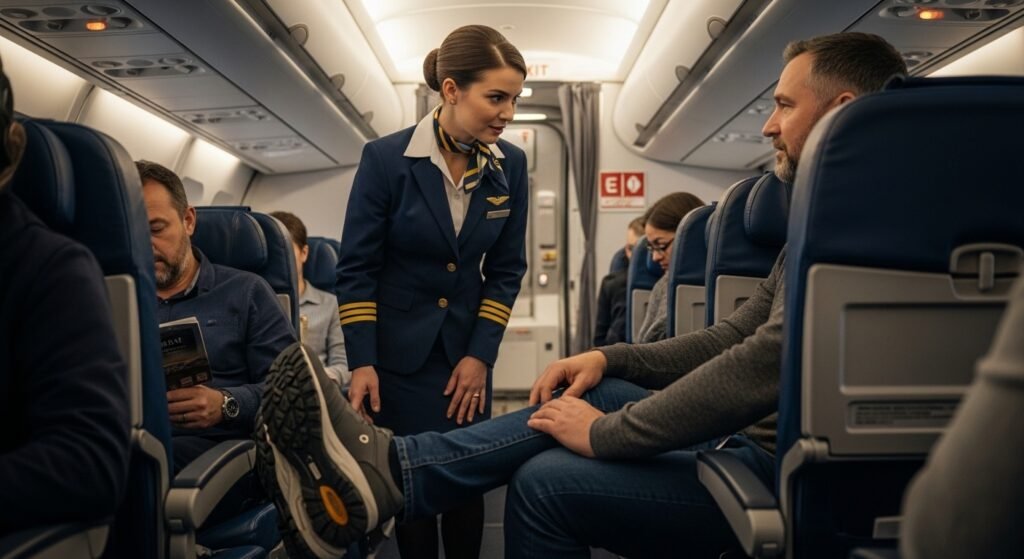
Passengers who sit close to emergency exits must help with those exit procedures. The crew uses quick observations to determine a passenger’s physical readiness while checking their footwear as part of their assessment process.
Quick Decision-Making During Boarding
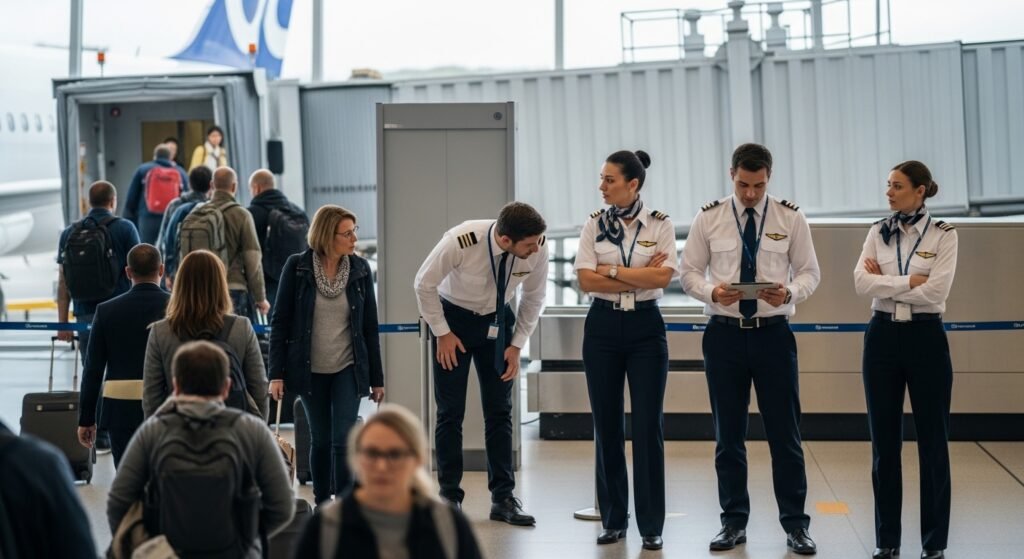
Another important reason is that the crew needs rapid visual signals because boarding time lasts only a short period. The crew uses shoes and body posture and body language to make fast assessments.
Part of a Bigger Observation Process
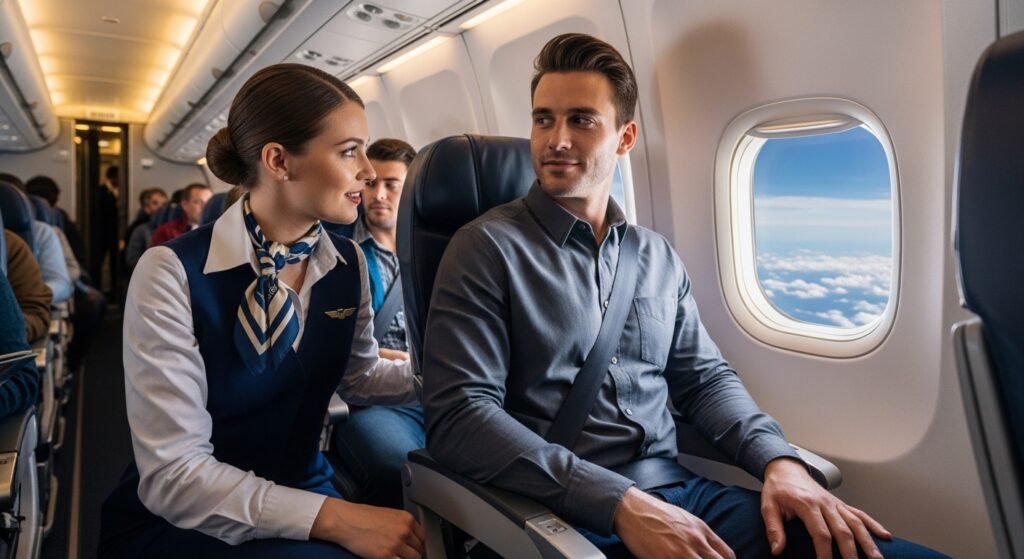
Footwear is only one detail. Flight attendants need to check whether passengers show signs of alertness and calmness because these factors determine their ability to follow instructions which affects overall safety.
Helps in Special Assistance Planning
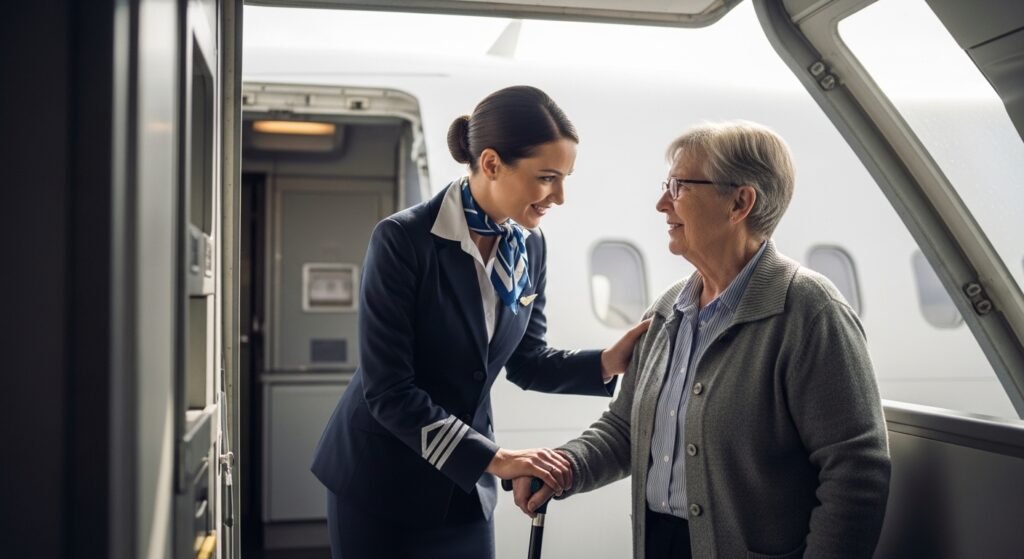
The crew provides better support when they notice someone requires assistance. The procedure creates an atmosphere of comfort for all passengers throughout the flight.
No Judgement About Style
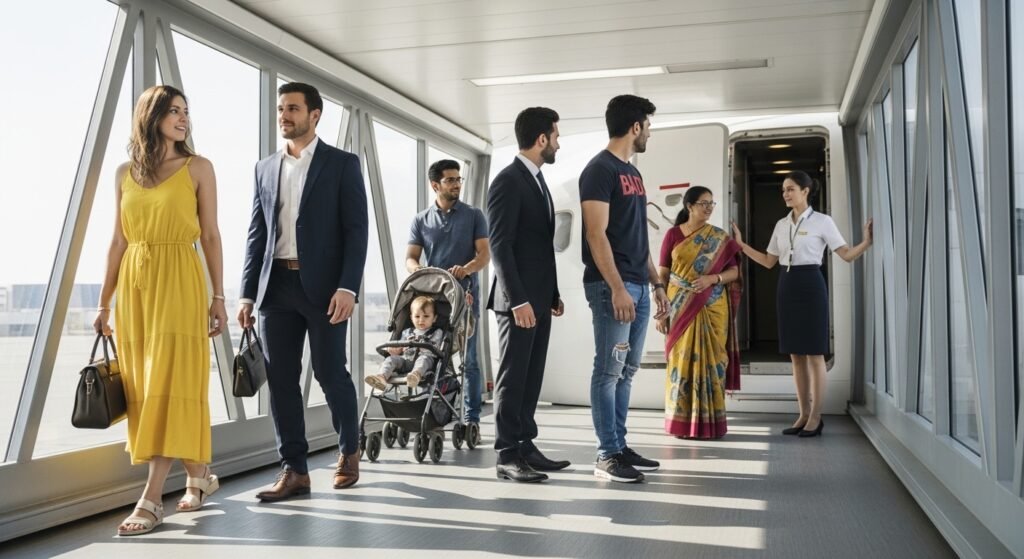
The purpose of this observation does not involve assessing fashion or appearance. The crew maintains readiness through this practice which serves both functional and safety requirements.
Built Into Training and Experience
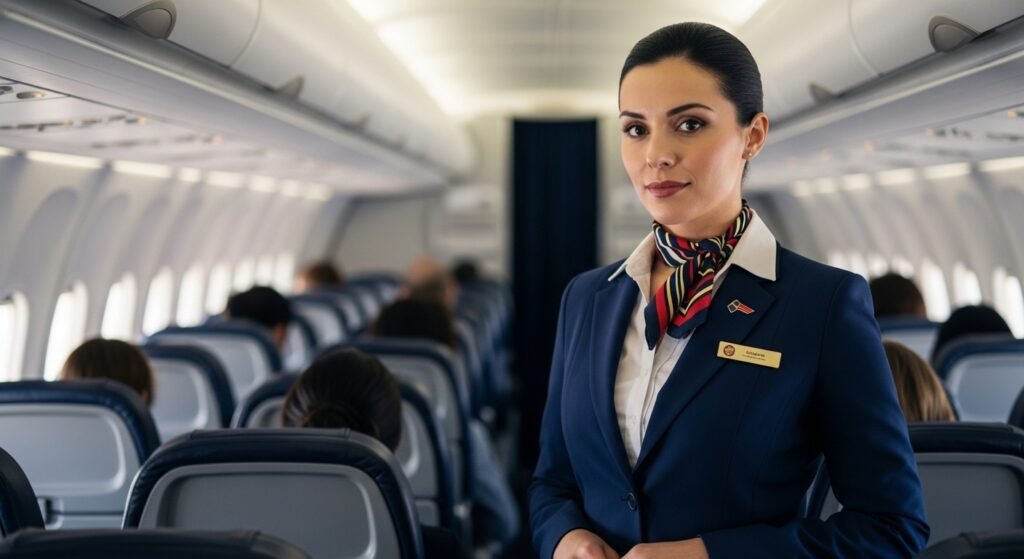
Flight attendants learn to spot minor details through their training. The process of observation develops into automatic behavior which enables them to handle both standard and emergency situations efficiently.