 Charlotte Moore
 The 1980s experience of air travel showed a different pattern compared to today’s travel. Travelers experienced airports as open public spaces which operated as controlled checkpoints. The security procedures required less than the airlines needed to provide their customers better onboard services which created a dining atmosphere instead of a regulated environment. Safety standards and technological advancements and international incidents brought about changes to the system throughout multiple decades. The explanation describes a situation which used to be completely acceptable to society.
Without a Ticket

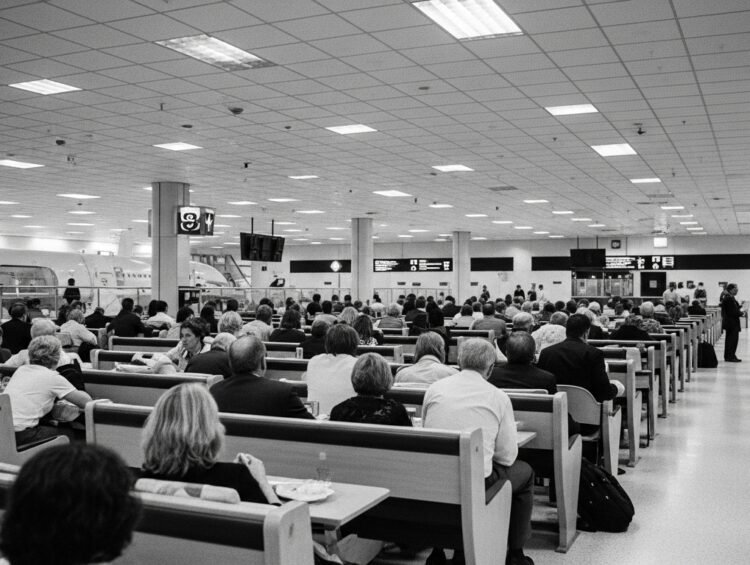
Airport security allowed family members to accompany travelers who wanted to reach their departure gate before their flight. Airports served as social gathering spots for people to meet each other. People used to see their loved ones off at the aircraft entrance which created a terminal space that operated as an open area while today terminals use restricted access zones.
Carrying Full-Size Liquids in Your Bag
Travelers could bring large shampoo bottles, beverages, and other liquids through security without volume limits. The security system established no need for passengers to use quart-sized bags while the system imposed no restrictions on the amount of liquid they could carry. The packing process became easier because travelers could pack their carry-on luggage without needing specific procedures for security checks.
Smoking Sections on Planes

Many airplanes contained special smoking sections which included smoking rows that pilots used to separate their smoking areas with a curtain. The airplane maintained smoking sections through which passengers could access ashtrays that were built into armrests but smoke spread throughout the cabin. Smoking became banned on airplanes because health studies showed no health advantages and passengers preferred to fly without smoke.
Less Intensive Security Screening

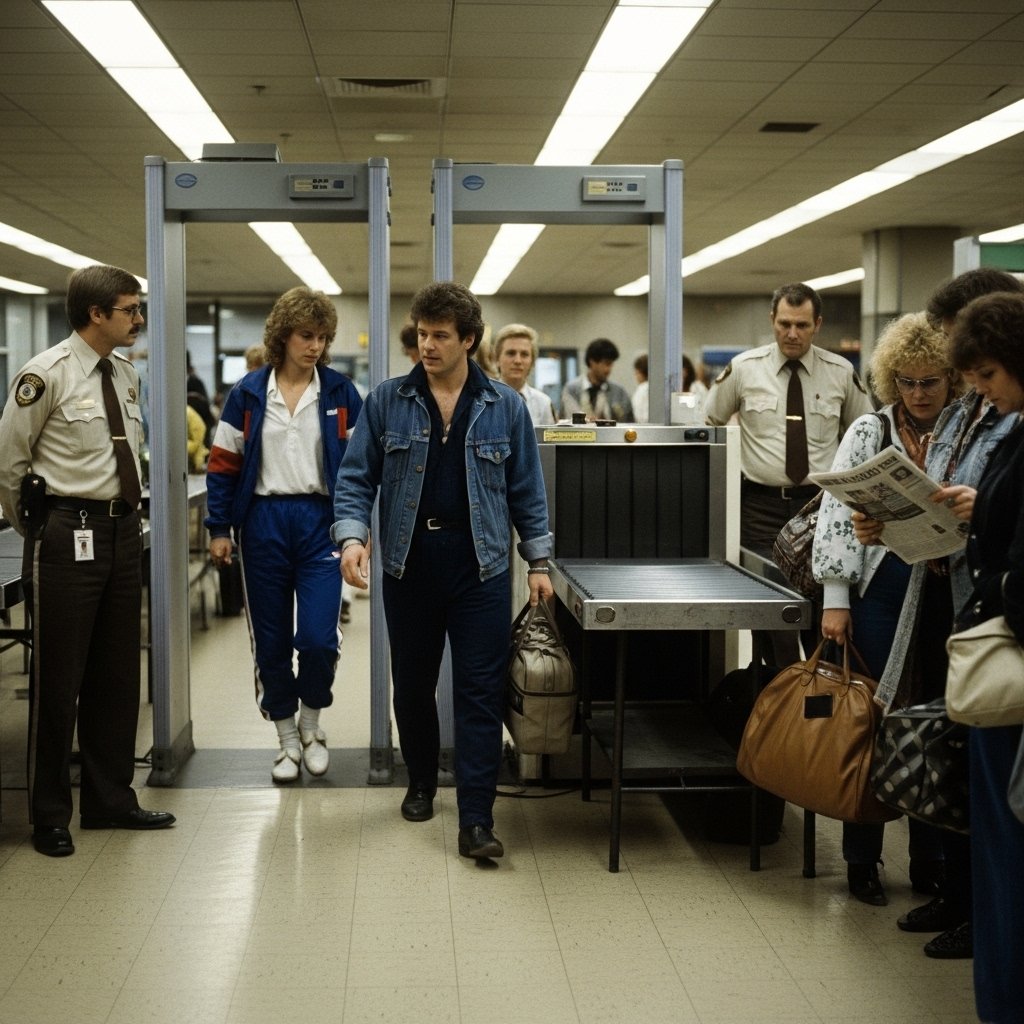
Metal detectors existed which equipment required less time and provided lower security protection. The process required passengers to keep their shoes on while their laptops stayed in their bags and advanced imaging scanners stayed out of the process. Today’s security checkpoints need multiple procedures to operate while the entire security process achieved its objectives faster during earlier days of security.
Casual Cockpit Visits
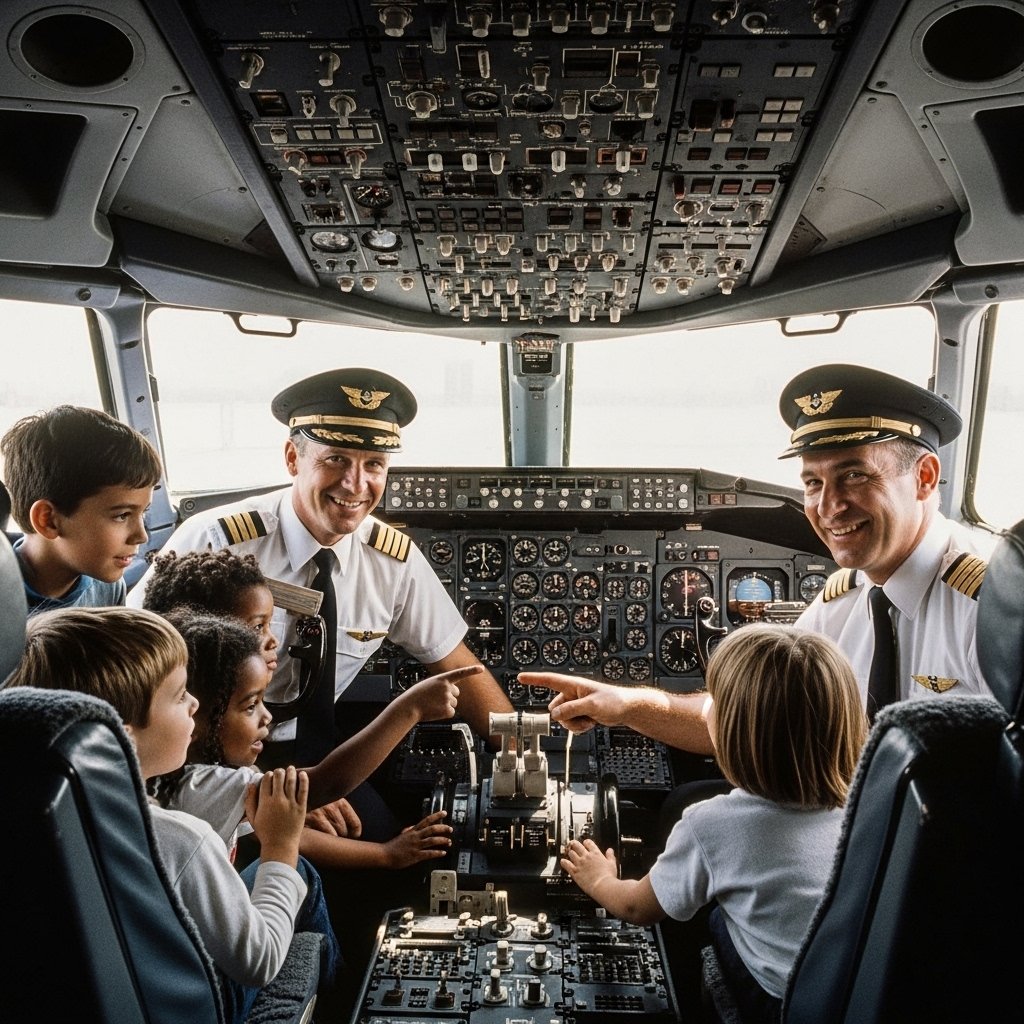
Children received invitations to enter the cockpit area before the airplane departure and during mid-flight. The pilots permitted brief cockpit visits which showed visitors the aircraft controls and instruments. The cockpit doors remain locked during all flight operations until today.
Arriving at the Airport Much Later
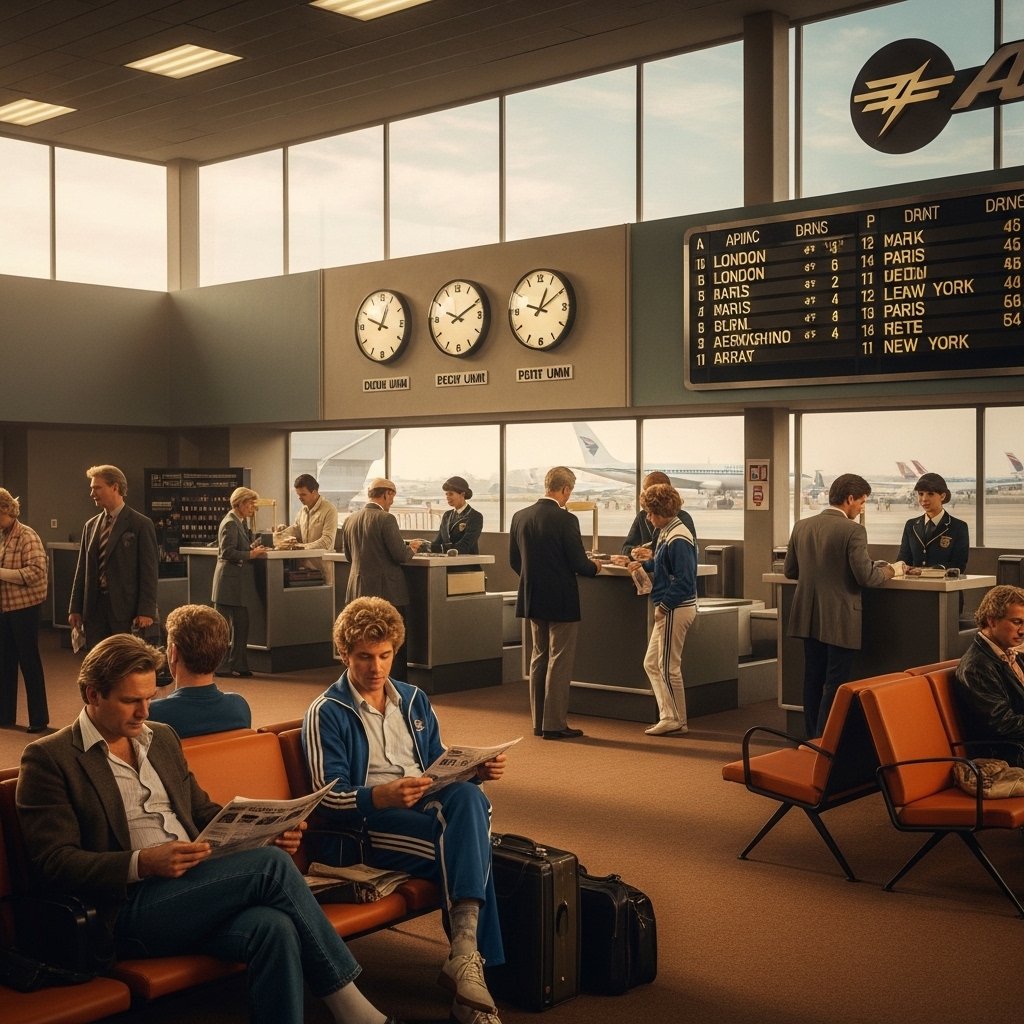
The passengers arrived at the airport later because they needed less time for check-in and security measures. People needed to arrive at the airport earlier than their scheduled departure time because check-in and security procedures required less time than before.
Complimentary Meals on Many Flights
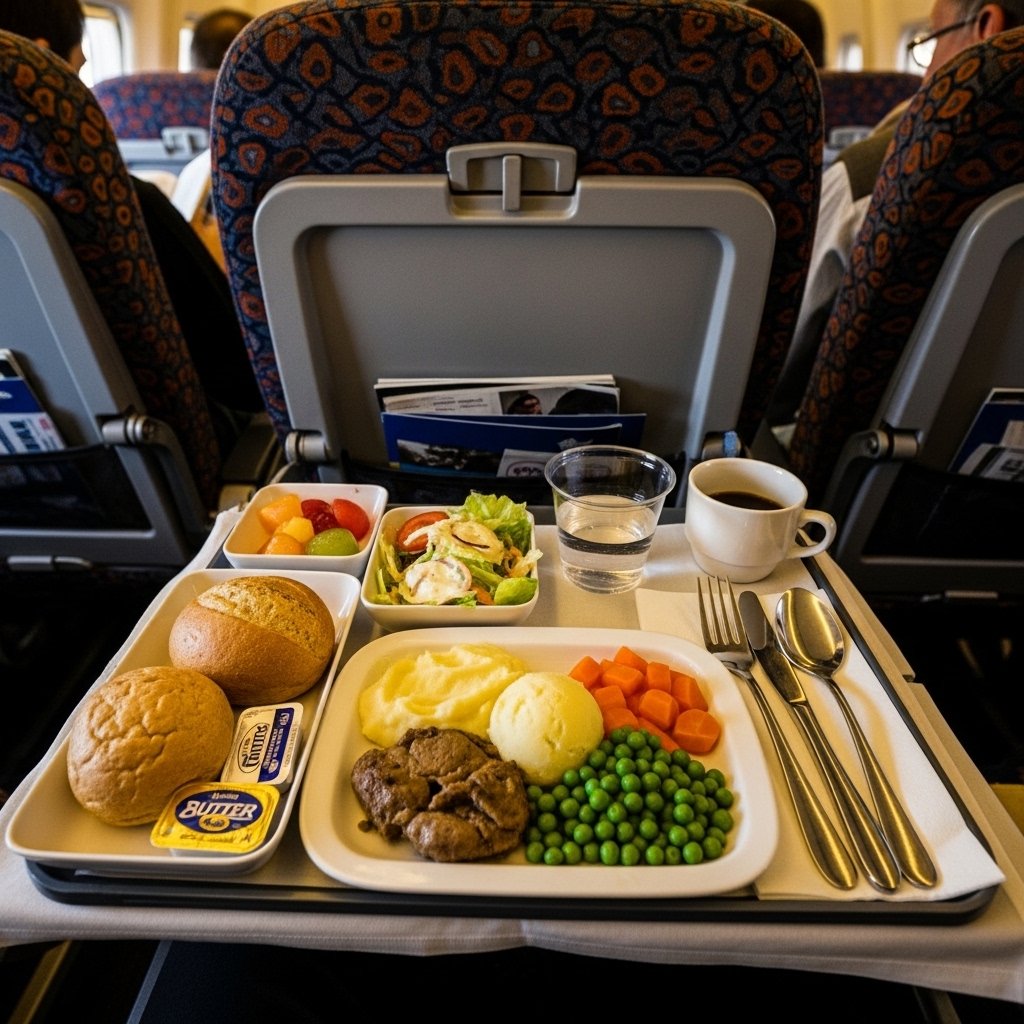
Domestic flights that lasted less than three hours provided passengers with complete meal service. Airlines competed by providing their customers with extensive service which included dining tools and drinking glasses in various cabin classes.
More Generous Seat Pitch
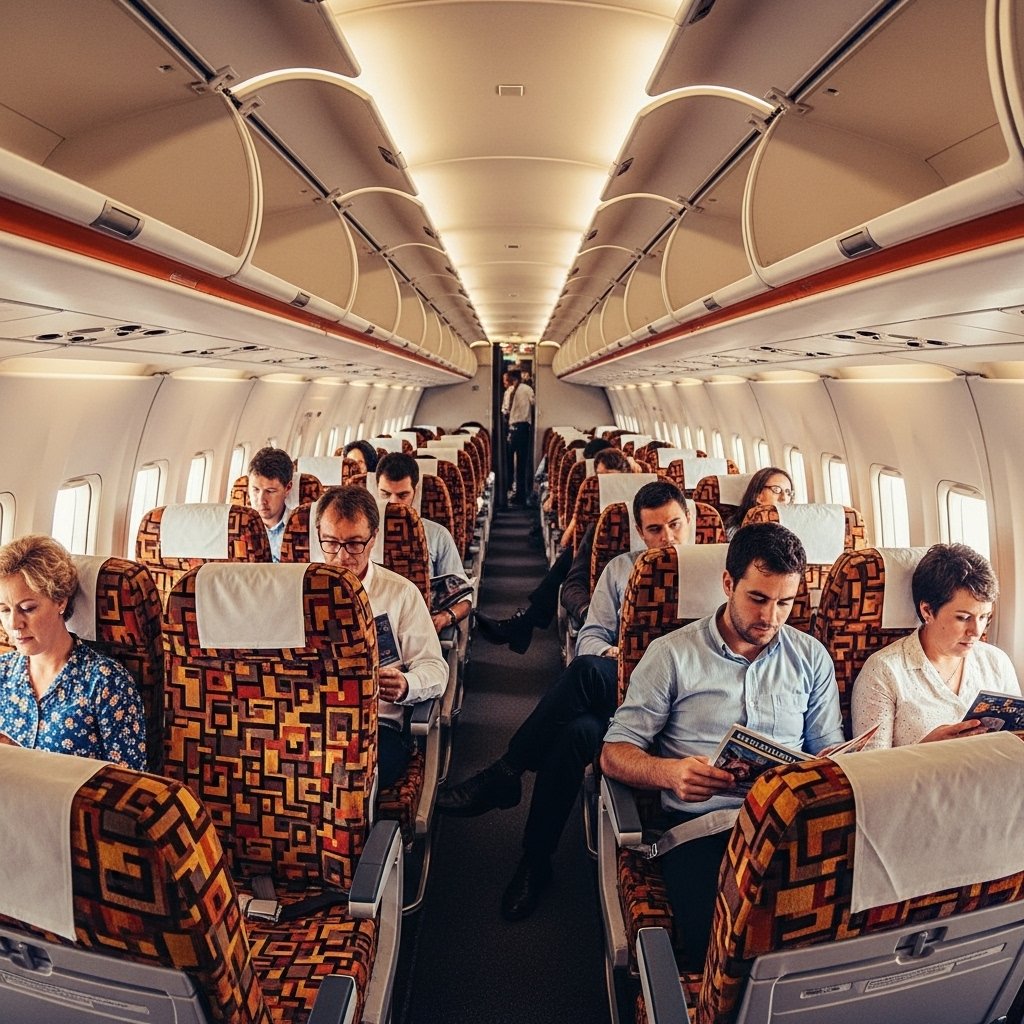
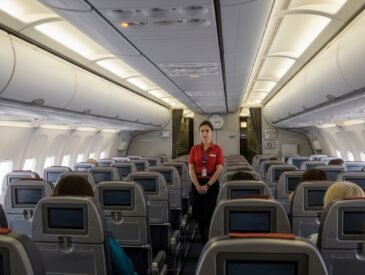
The cabin layouts in airplanes provided passengers with more space than current economy sections which exist today. Airlines used different seat design patterns which created wider row spacing to improve passenger comfort.
Paper Ticket Booklets

Travelers carried physical ticket folders containing multiple carbon-copy pages for each leg of their journey. The boarding passes printed at counters required gate agents to handle stubs manually before passengers could board the airplane.