 Charlotte Moore
 The initial moments after checking into a hotel or Airbnb or truck stop establish the tone for your entire visit. Your mind achieves organization and security and comfort through a brief period of resetting instead of spending time on your phone after you drop your bags. The travel routines used by experienced travelers help them maintain control over their arrival process because these routines help them manage minor problems that could escalate into significant challenges during their trip.
Do a Thorough but Quick Room Sweep
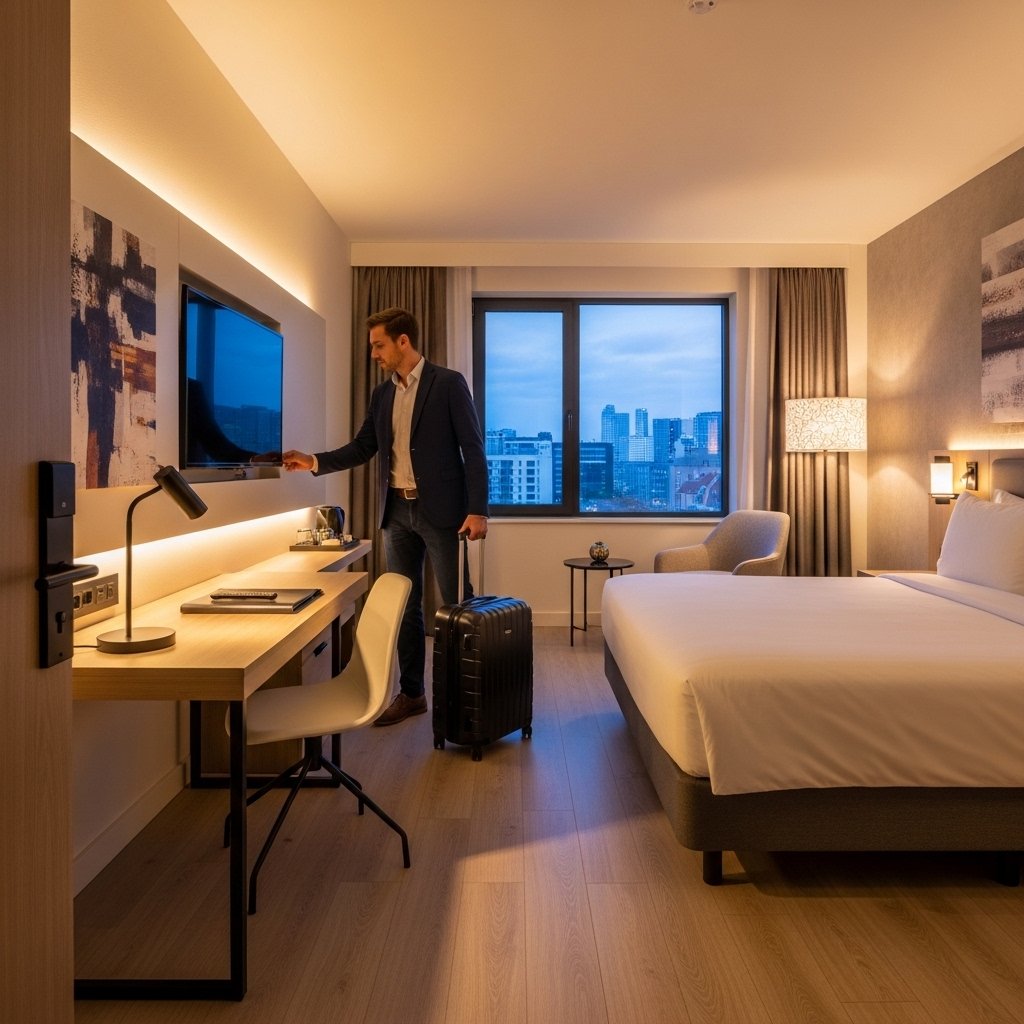
The person needs to walk around the complete border of the space. The person needs to inspect the security of all entry points which includes door locks and latch bolts and window locks and balcony doors. The person needs to test multiple light switches and check smoke detectors. The intention behind this practice exists to establish surveillance systems which help maintain public safety. When you identify problems during the initial stages of a project, you can resolve them with less effort.
Locate Emergency Exits and Stairwells

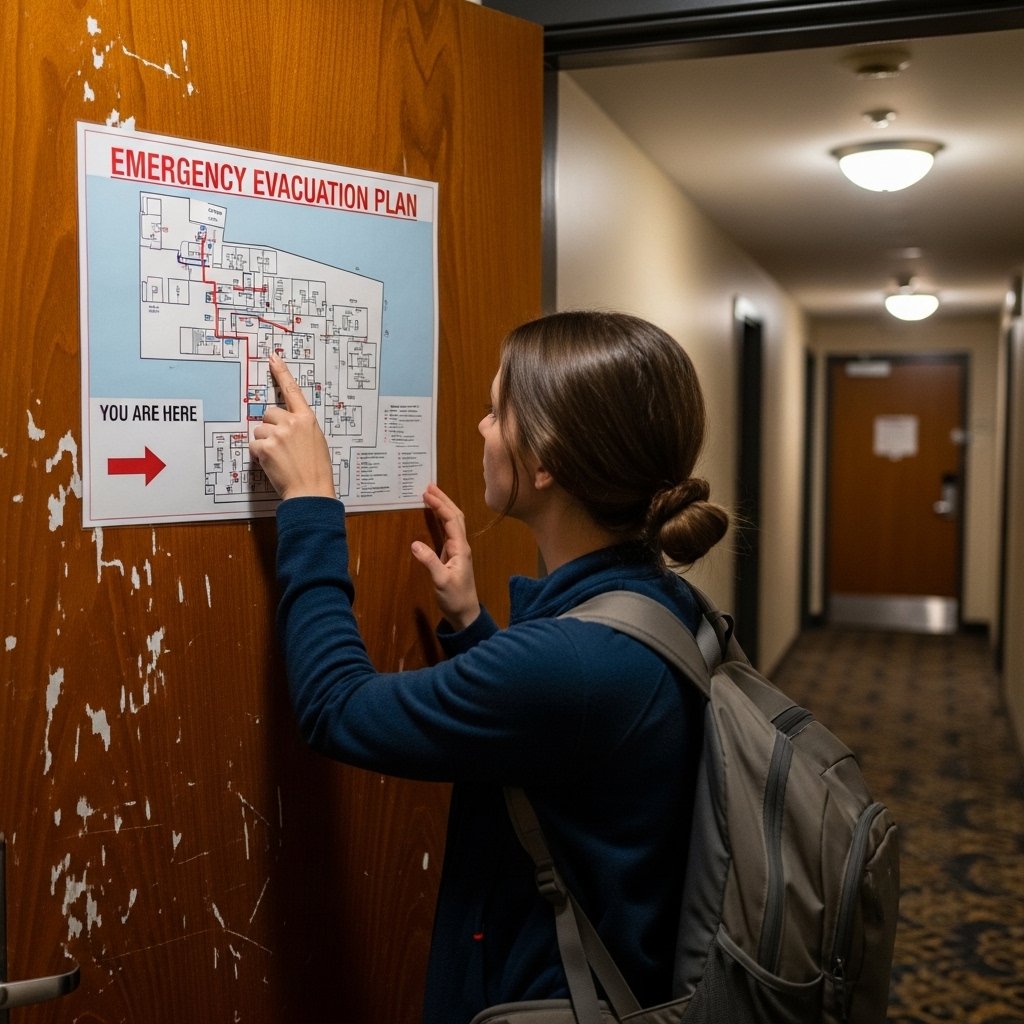
Hotels require guests to examine the evacuation map which they find posted at the entrance door. Count how many doors separate you from the nearest stairwell. People experience more confidence in exit pathways through their understanding of their surroundings.
Wash Up and Refresh
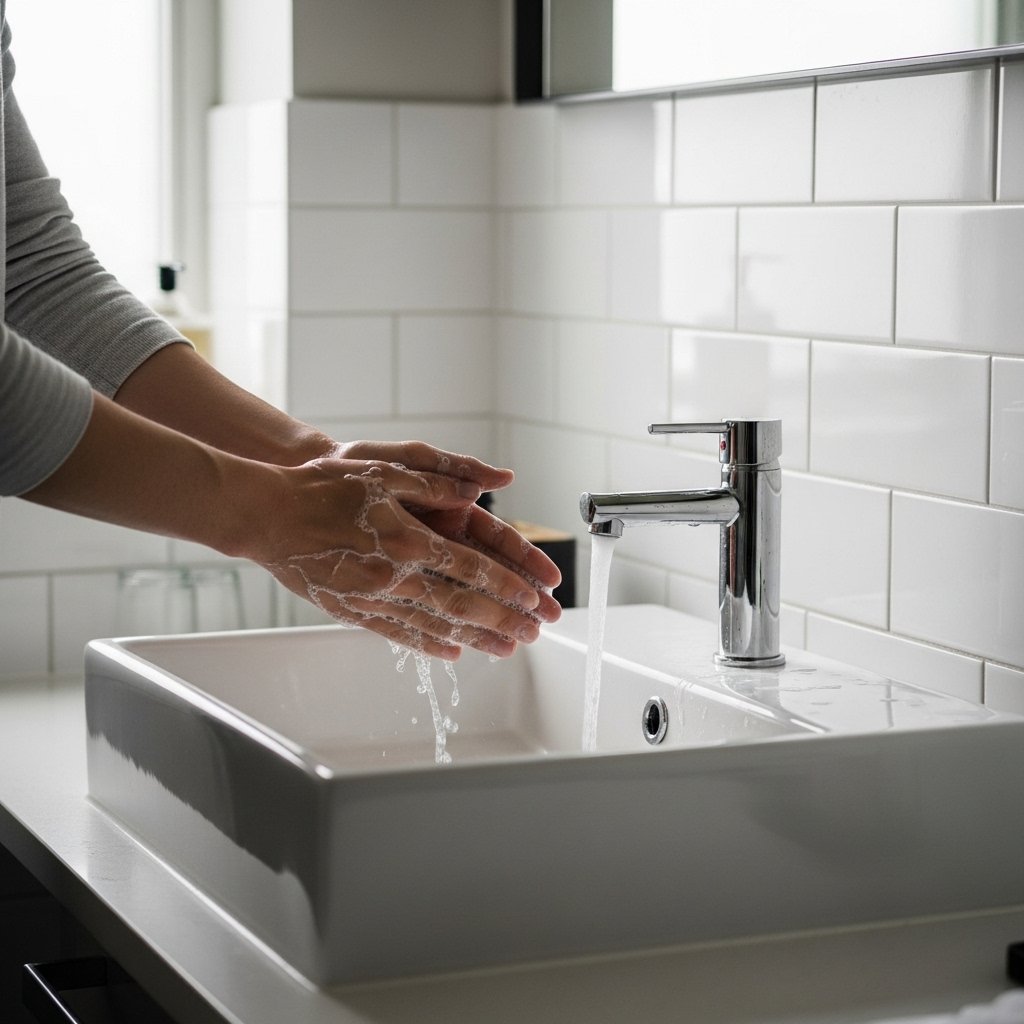
Public transportation systems together with airports and gas stations present users with multiple common touchpoints. The process of washing hands together with face washing through cool water enables you to transition from traveling to reaching your destination.
Set the Climate and Airflow
The person needs to make immediate temperature adjustments through the thermostat. The space becomes less stuffy after people open windows for a few minutes because fresh air enters the indoor environment. People should adjust the temperature at their location before they begin their stay, so that they will feel comfortable throughout their entire time there.
Plug In and Power Up

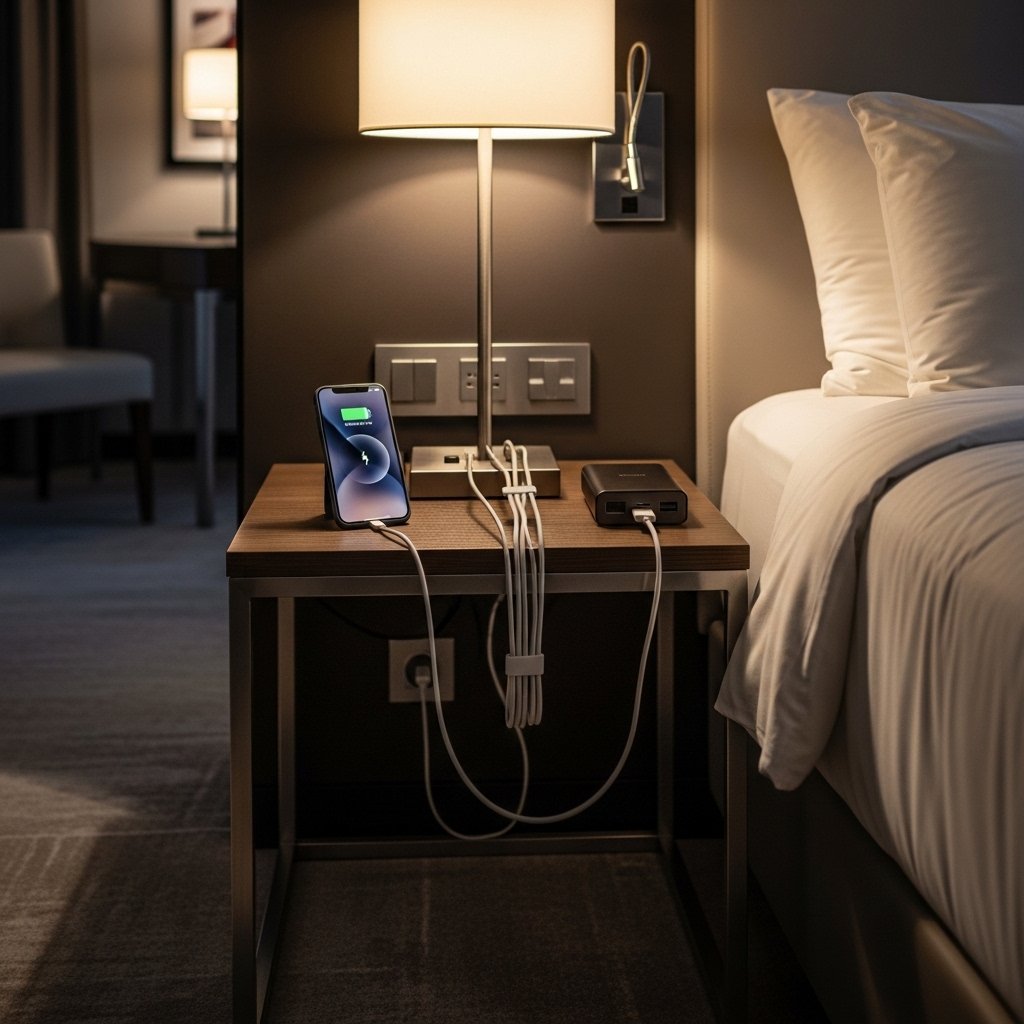
You should charge your devices before you start to unpack your belongings. People use their phones as maps because these devices provide them with boarding passes and restaurant locations and communication capabilities. A complete battery charge enables your travel schedule to continue without interruptions.
Test Wi-Fi and Connectivity
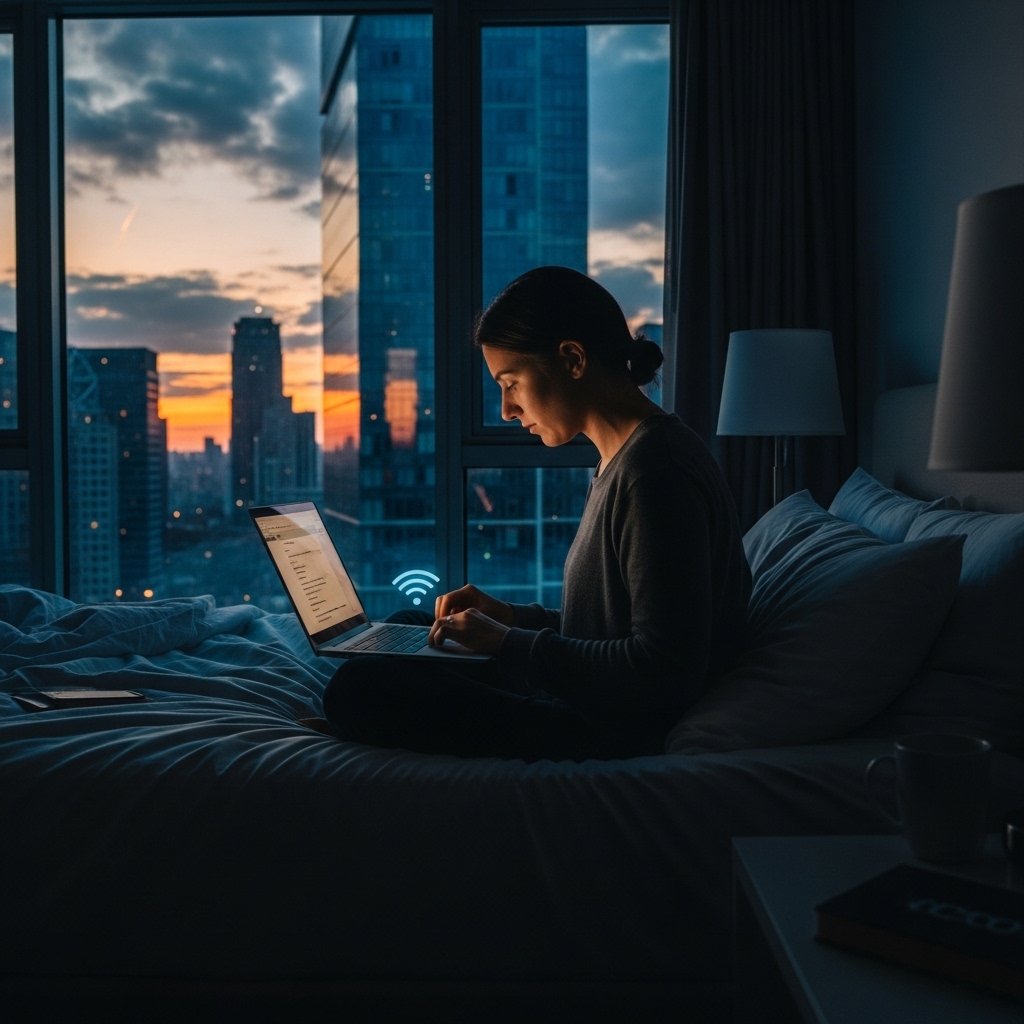
The person needs to establish a Wi-Fi connection and verify the network’s signal strength. The user needs to download offline maps if they need them. People who want to solve their connectivity problems should do so early because this approach will prevent them from experiencing anxiety during their upcoming departure.
Inspect Linens and Bathroom Supplies
Take a quick look at bedding, towels, and basic toiletries. You should ask for extra pillows and additional supplies because it is the simplest way to obtain them.
Designate a “Home Base” for Essentials
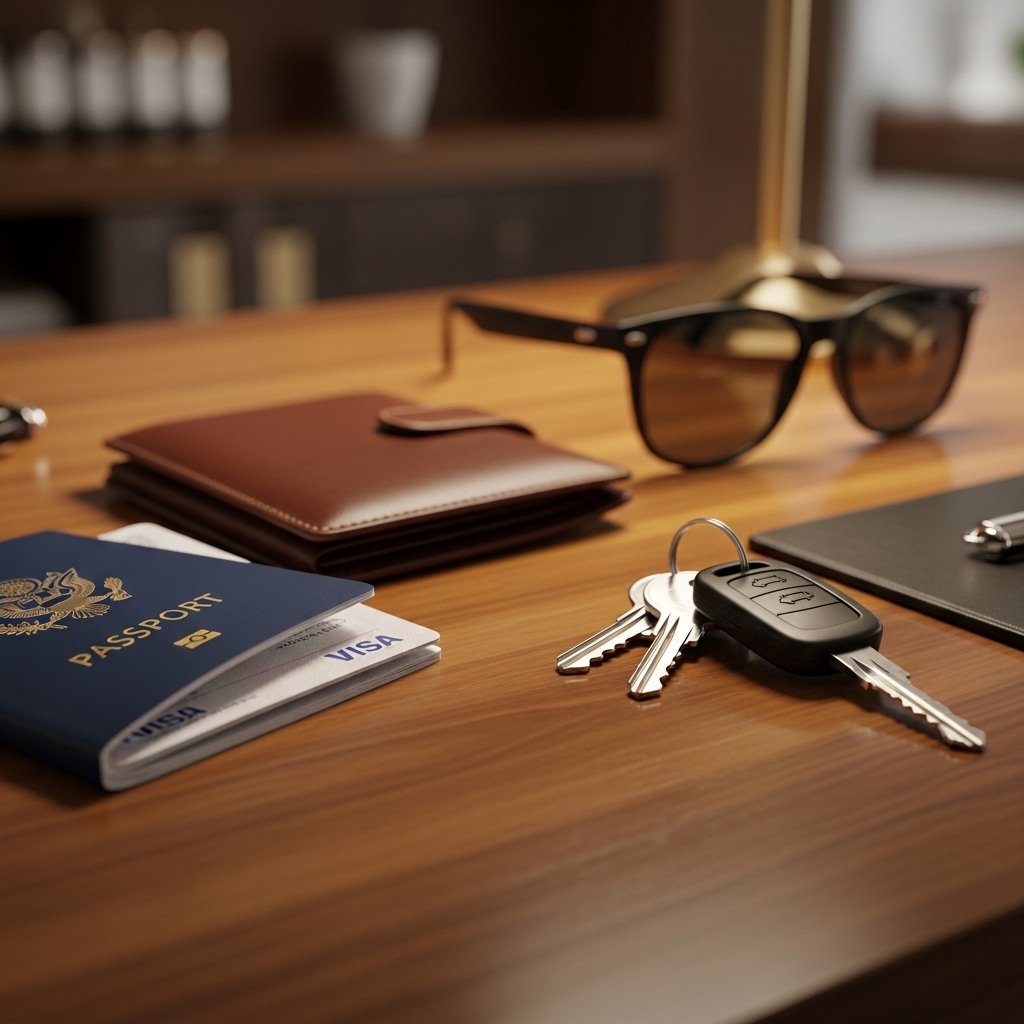
Select one location to store passport and wallet and keys and sunglasses. People will avoid the common problem of searching for lost items because they will always know where to find their belongings.
Hydrate and Stretch

Traveling requires passengers to remain in their seats for extended times. The combination of water consumption with a short stretching session helps to improve blood flow while relieving muscle tightness that occurs after air travel and vehicular travel.
Review Your Immediate Plans
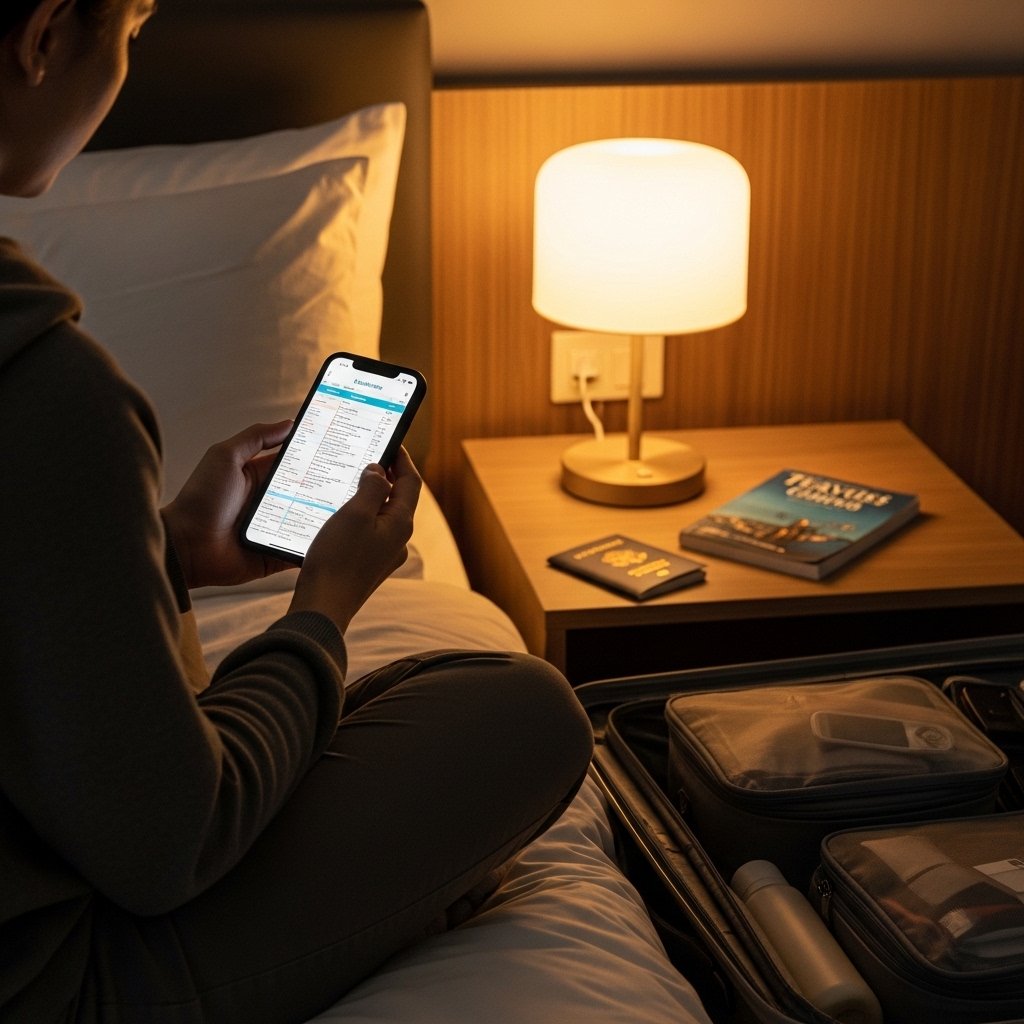
You need to verify your dinner reservations and tour times and meeting locations. The process requires you to verify both the addresses and the required travel duration. A quick review reduces last-minute rushing and keeps your schedule flowing calmly.