 Charlotte Moore
 Missing a connecting flight during an international journey can feel stressful, but the outcome depends largely on how the ticket was booked and the reason for the delay. Airlines follow structured policies to handle such situations. Understanding these processes helps travelers respond quickly and avoid unnecessary costs or confusion at the airport.
Single Ticket Vs Separate Tickets
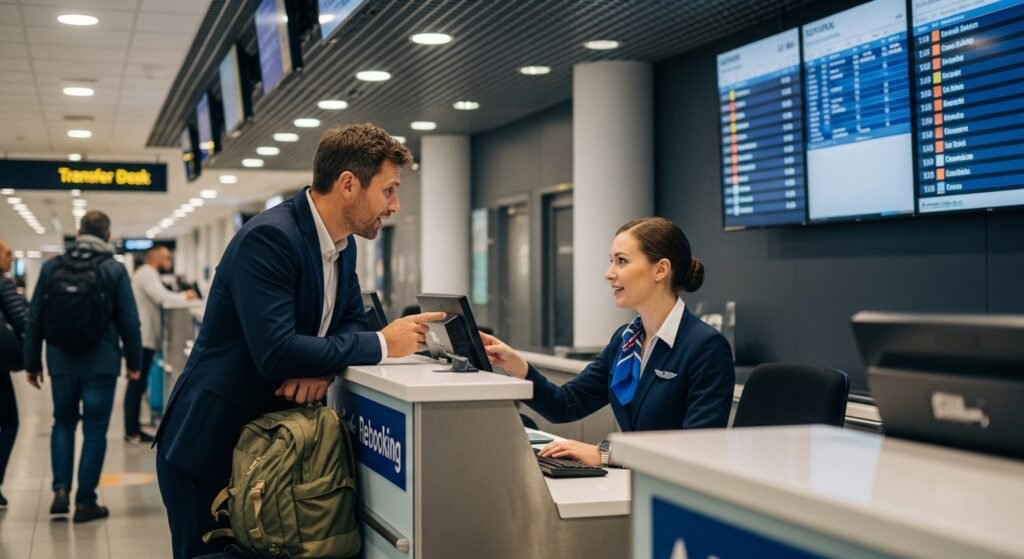
If the entire journey is booked under one ticket, the airline usually takes responsibility for rebooking the next available flight. In contrast, separate tickets mean each leg is treated independently. In that case, the traveler may need to purchase a new ticket if the connection is missed.
Airline Responsibility Matters
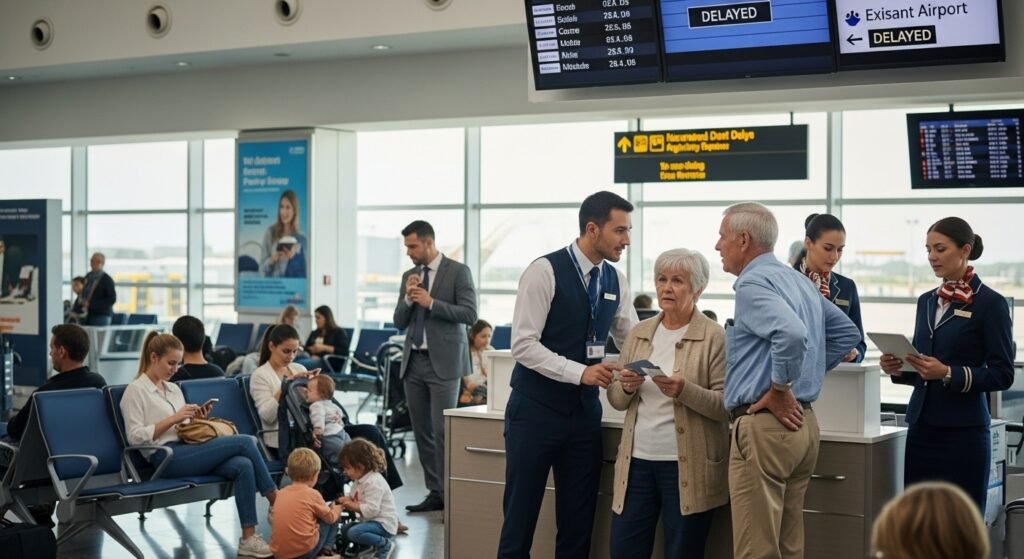
When a delay is caused by the airline, such as technical issues or crew shortages, the airline typically provides assistance. This may include free rebooking, meals, or even hotel accommodation, depending on the wait time. Policies vary between airlines, but support is usually provided in such cases.
Weather And External Delays
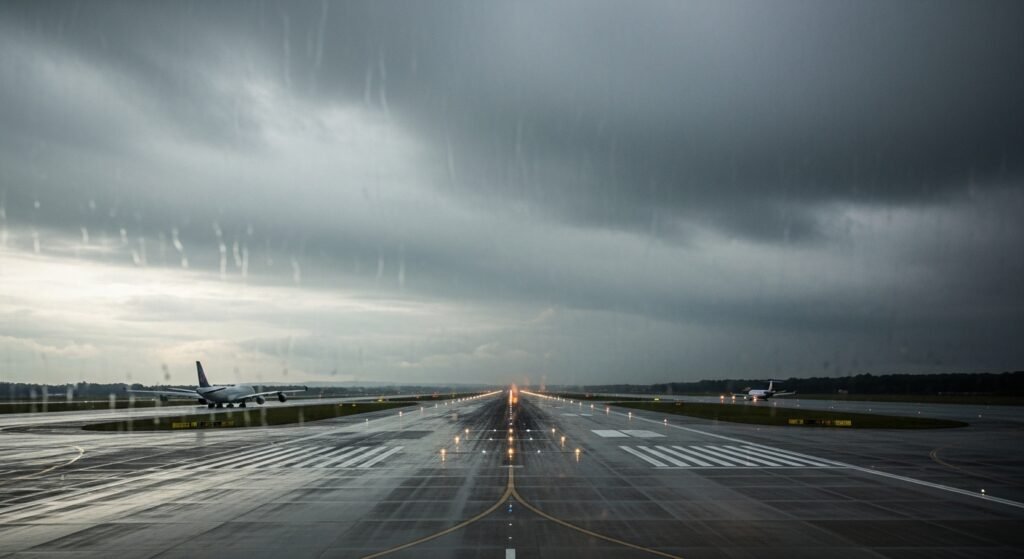
If the delay is due to weather or air traffic control, airlines are less likely to offer compensation. However, they may still help with rebooking as a goodwill measure. These situations are considered outside airline control, so benefits are often limited.
Rebooking Process Explained
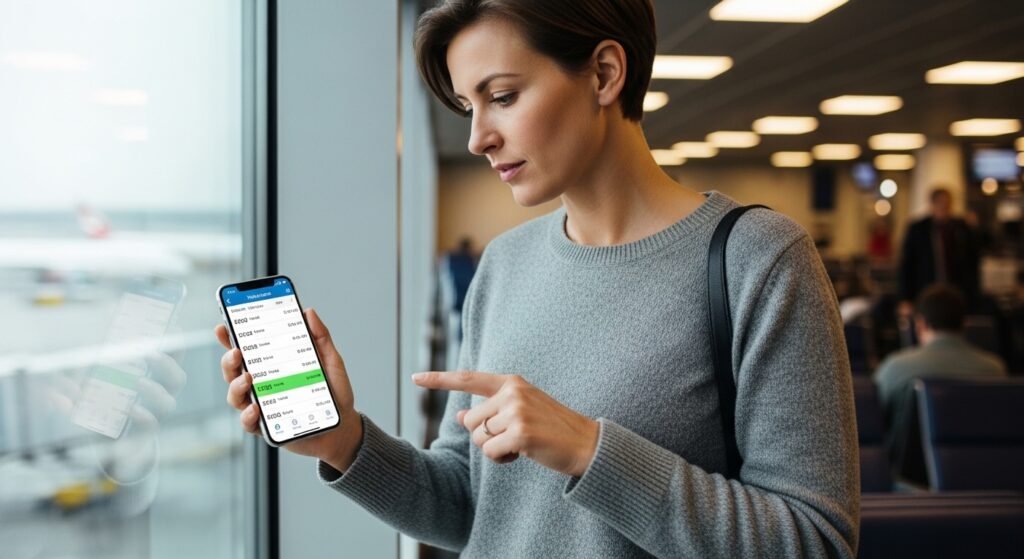
Airlines usually rebook passengers automatically if a connection is missed on a single itinerary. Travelers can also approach the transfer desk or customer service counter for faster assistance. Early communication improves the chances of getting a better alternative flight.
Visa And Transit Rules
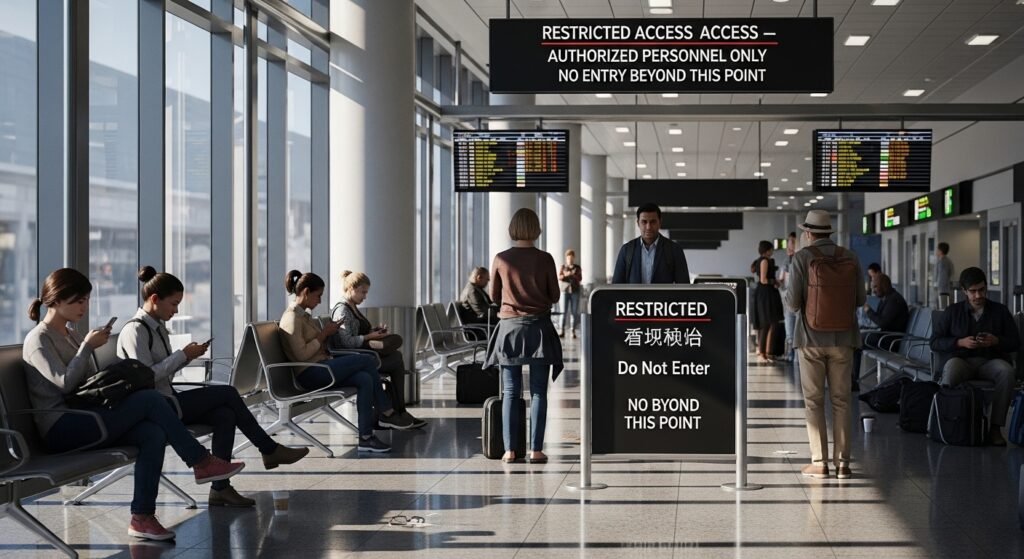
International travel involves immigration rules that can complicate missed connections. Some countries require a transit visa if a passenger needs to leave the airport. Without proper documentation, options may be restricted, and travelers must wait within designated transit areas.
Baggage Handling Issues
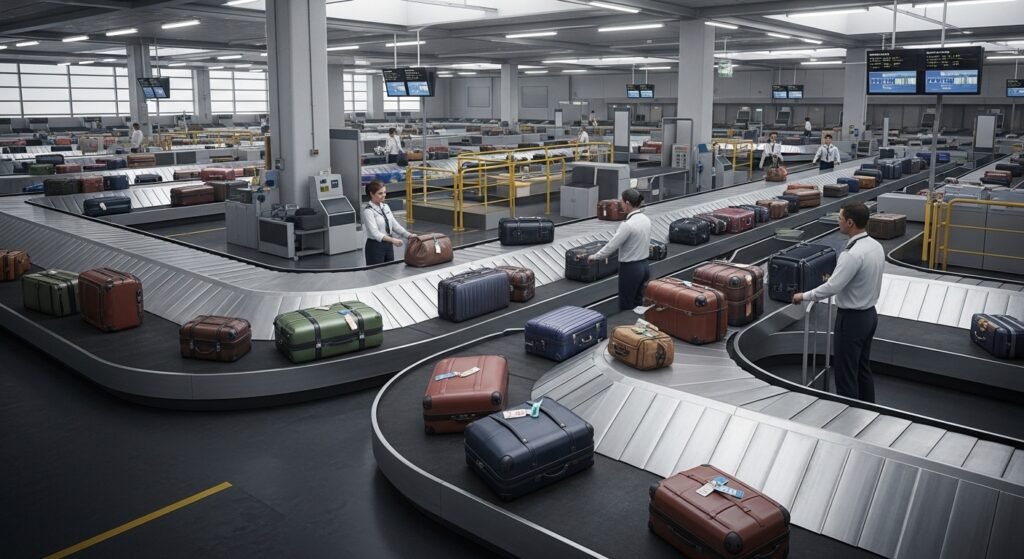
Checked baggage is usually transferred automatically on connecting flights. If a connection is missed, the airline reroutes the baggage to the new flight. However, delays in baggage arrival can happen, so keeping essentials in carry on luggage is a practical step.
Travel Insurance Benefits
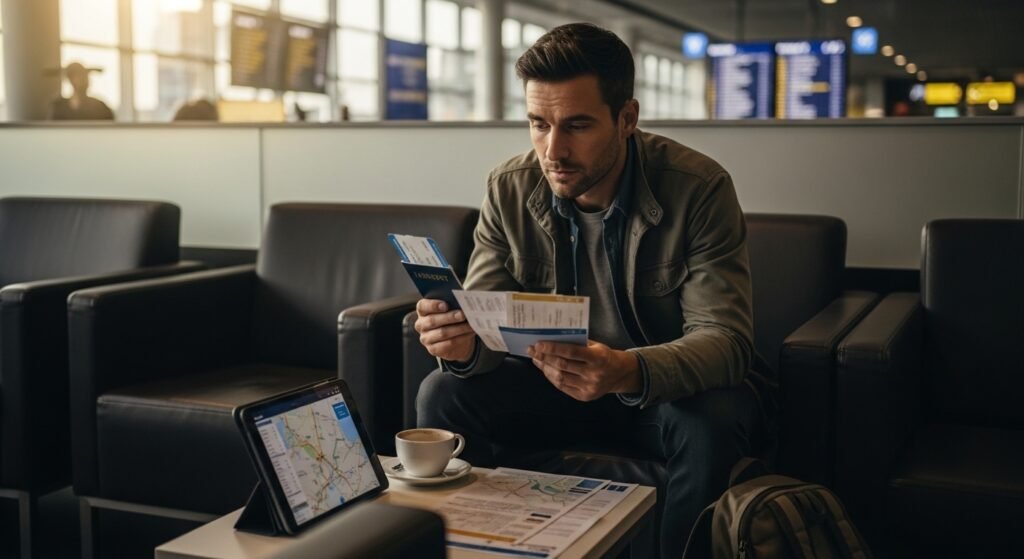
Travel insurance can cover expenses related to missed connections, including hotel stays and meals. Policies vary, but coverage is especially useful for delays caused by factors outside airline control. Reviewing policy terms before travel ensures better preparedness.
Minimum Connection Time
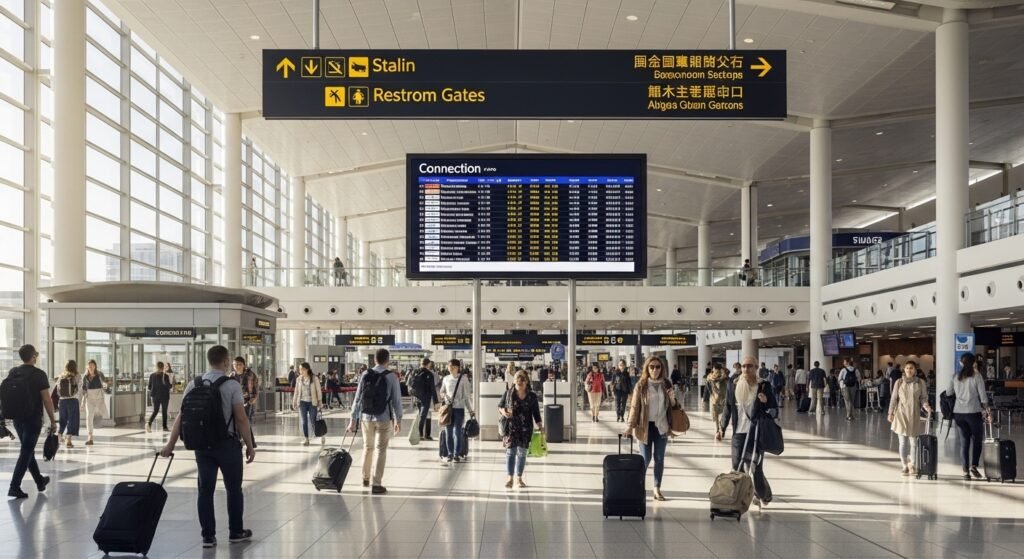
Airports define a minimum connection time required to transfer between flights. Booking connections shorter than this increases the risk of missing flights. Choosing slightly longer layovers reduces stress and allows time for unexpected delays.
What To Do Immediately
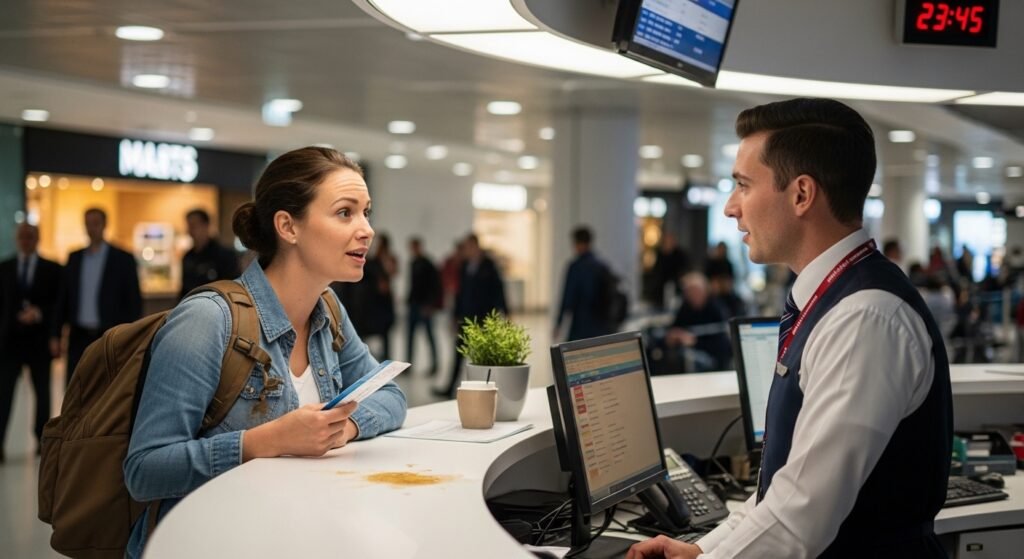
Passengers should contact airline staff as soon as they realize the connection will be missed. Using airline apps or customer service desks can speed up the process. Acting quickly improves the chances of securing a suitable alternative flight.
Smart Travel Planning Tips

Choosing flights with buffer time, booking under one ticket, and monitoring flight status are effective strategies. Travelers who plan ahead are better equipped to handle disruptions. A calm and informed approach makes managing missed connections far easier.