 Charlotte Moore
 Food has always been more than just nourishment. It reflects culture, survival, and human creativity across generations. Some dishes have endured for centuries, adapting slightly yet preserving their core identity. These recipes continue to be enjoyed today, offering a direct connection to ancient civilizations. Their longevity is not accidental. It comes from simple ingredients, practical preparation, and flavors that consistently satisfy across time and geography.
Ancient Bread Origins
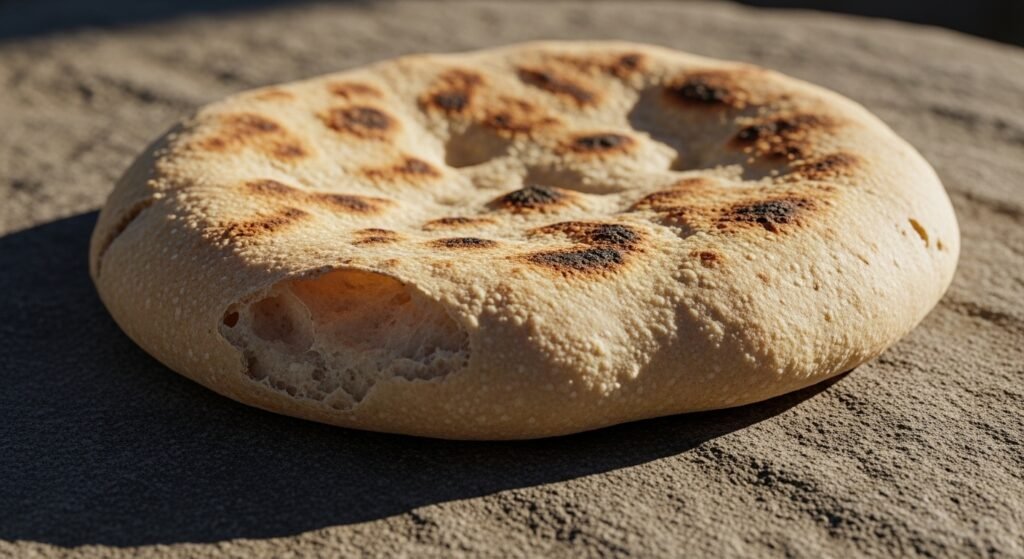
Bread is one of the earliest known prepared foods, dating back over 10,000 years. Early versions were made from crushed grains mixed with water and cooked on hot stones. Its simplicity made it essential for survival, and modern flatbreads still closely resemble those early creations in both texture and preparation.
Hearty Lentil Stew
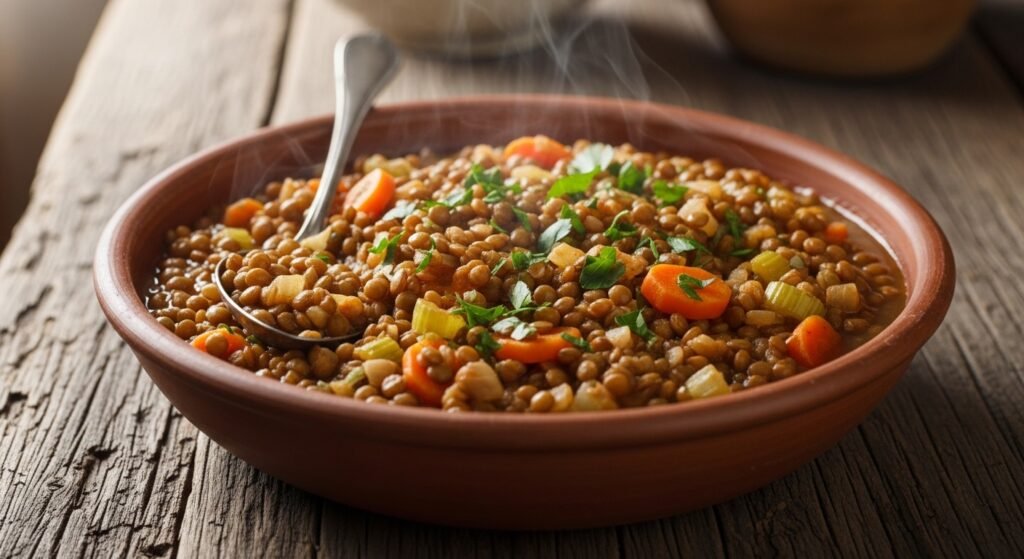
Lentil stew has been a staple since ancient Mesopotamia. Packed with protein and easy to prepare, it was widely consumed by both common people and royalty. Its adaptability allows for regional variations, yet the base concept remains unchanged, proving its enduring practicality and nutritional value.
Traditional Cheese Craft
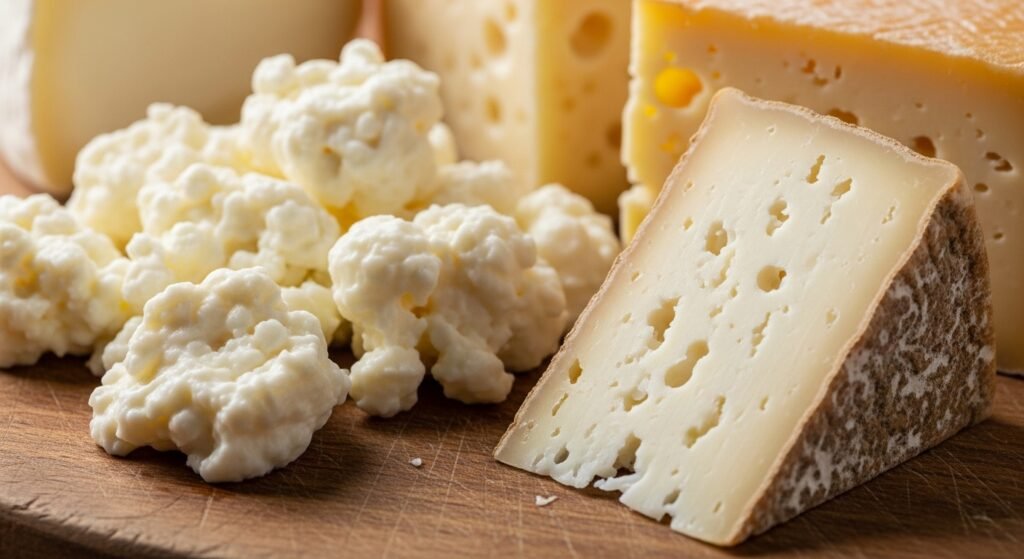
Cheese making dates back over 7,000 years. Early humans discovered it as a way to preserve milk for longer periods. From simple curds to aged varieties, the core process has remained consistent. Today’s cheeses still follow many of the same fermentation techniques developed centuries ago.
Classic Egyptian Koshari
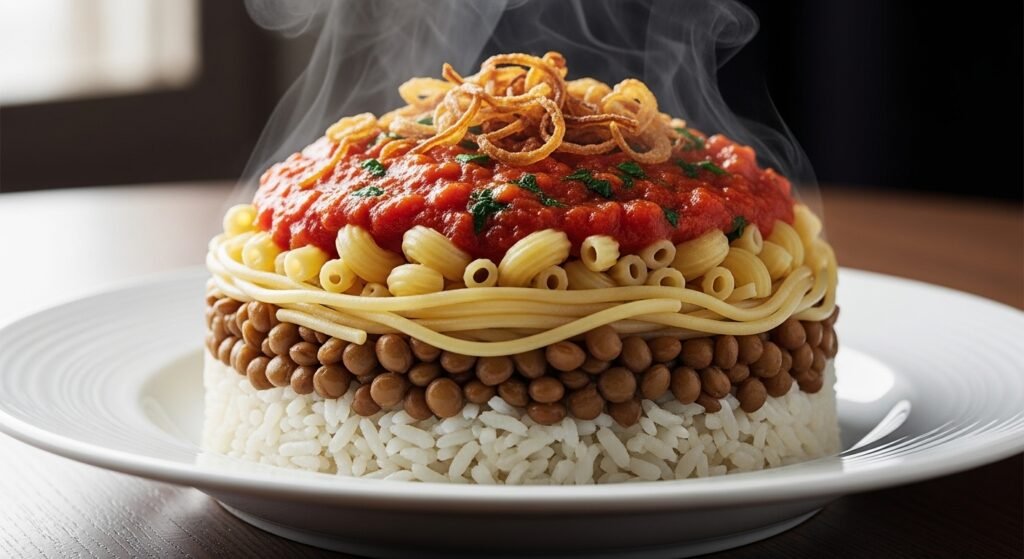
Koshari, a mix of rice, lentils, and pasta, has roots in ancient Egyptian food culture. Its combination of carbohydrates and protein made it both filling and affordable. Over time, spices and sauces enhanced its flavor, but the core ingredients continue to reflect its historical origins.
Roman Garum Influence
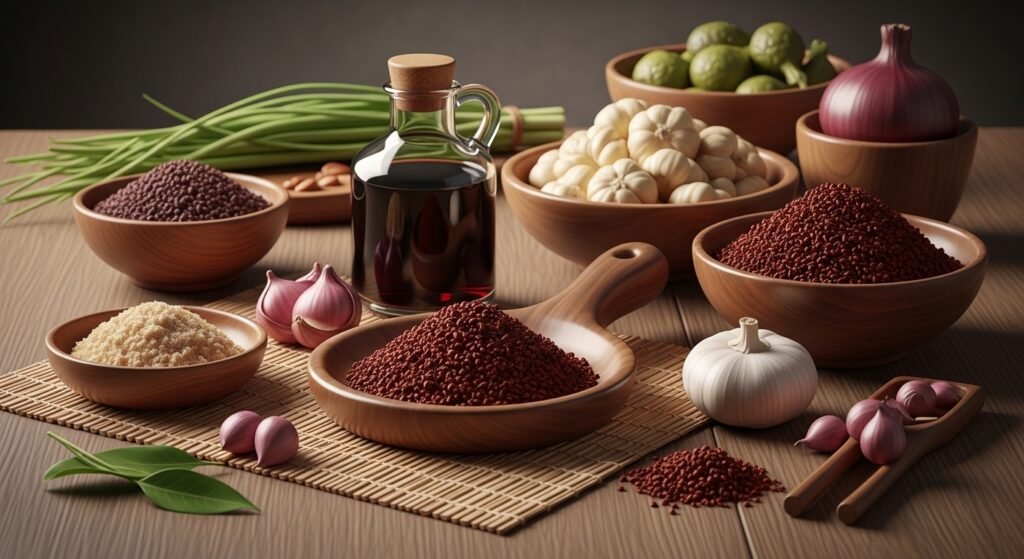
Garum was a fermented fish sauce popular in ancient Rome. It was used to enhance flavor in many dishes, much like modern condiments. While the original preparation method is rare today, similar sauces in Asian cuisines show how this concept has persisted across cultures.
Simple Rice Porridge
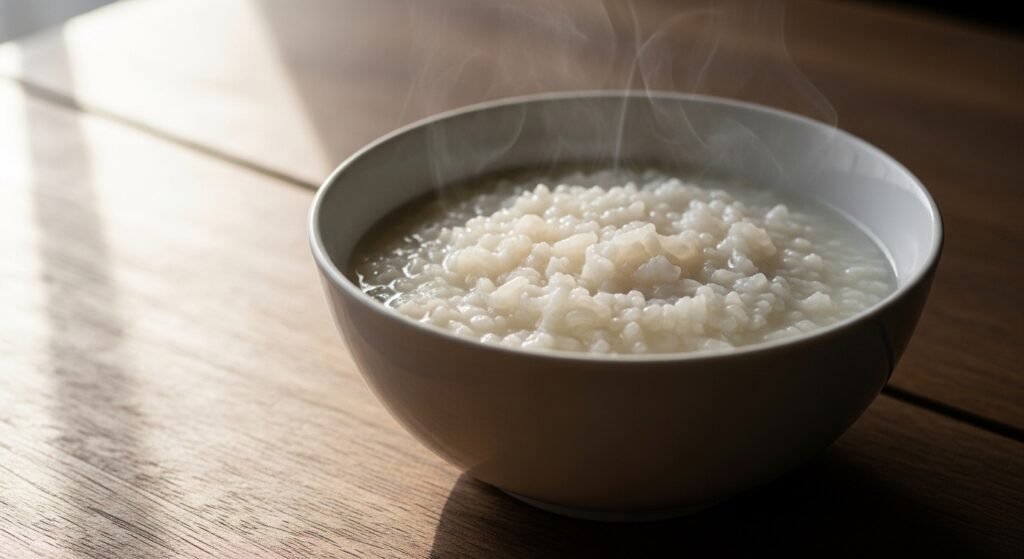
Rice porridge has been consumed for thousands of years across Asia. It is easy to digest and requires minimal ingredients, making it ideal during both scarcity and illness. Variations like congee demonstrate how a basic preparation can evolve while maintaining its original purpose.
Indian Khichdi Tradition
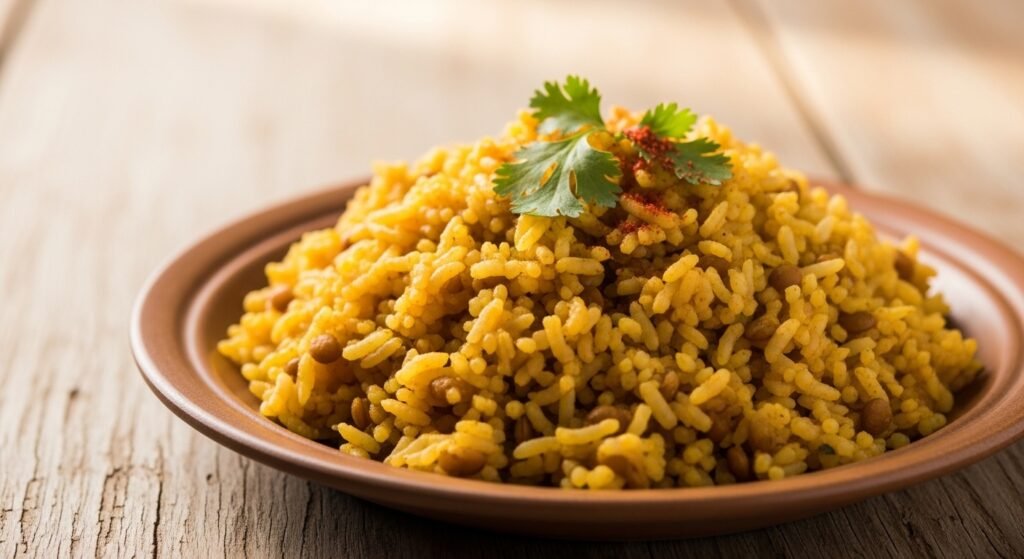
Khichdi, made from rice and lentils, has been part of Indian diets for centuries. It is valued for its balance of nutrients and ease of digestion. Often recommended during recovery, its continued popularity shows how functional food can stand the test of time.
Greek Honey Desserts

Honey based desserts in ancient Greece were among the earliest sweet dishes. Ingredients like nuts, sesame, and honey created simple yet satisfying treats. These desserts required no refined sugar, and modern versions still follow similar recipes, preserving their natural sweetness.
Mesoamerican Tamales
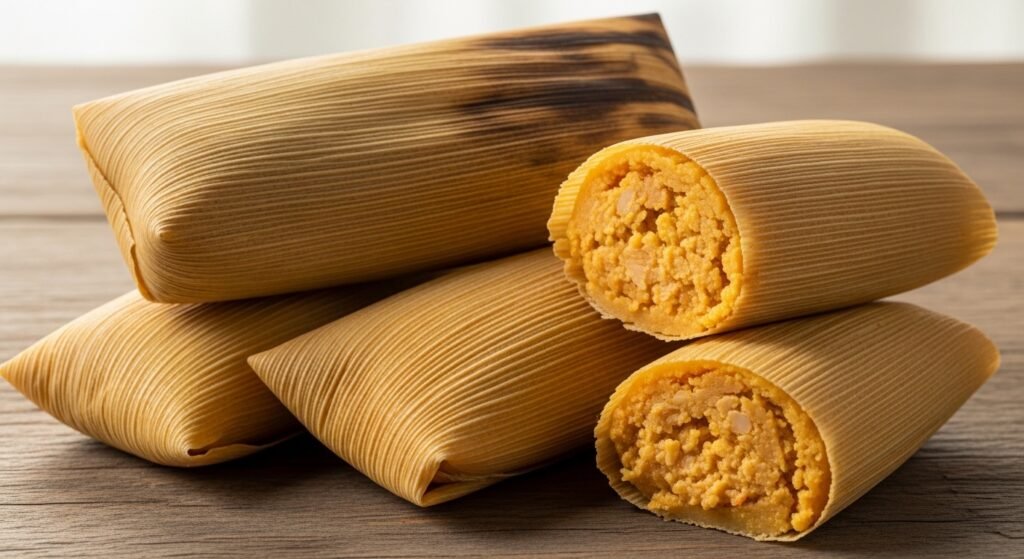
Tamales date back to ancient Mesoamerican civilizations. Made from corn dough and filled with various ingredients, they were portable and practical for travel. The wrapping and steaming method remains largely unchanged, highlighting their efficiency and cultural significance.
Middle Eastern Hummus
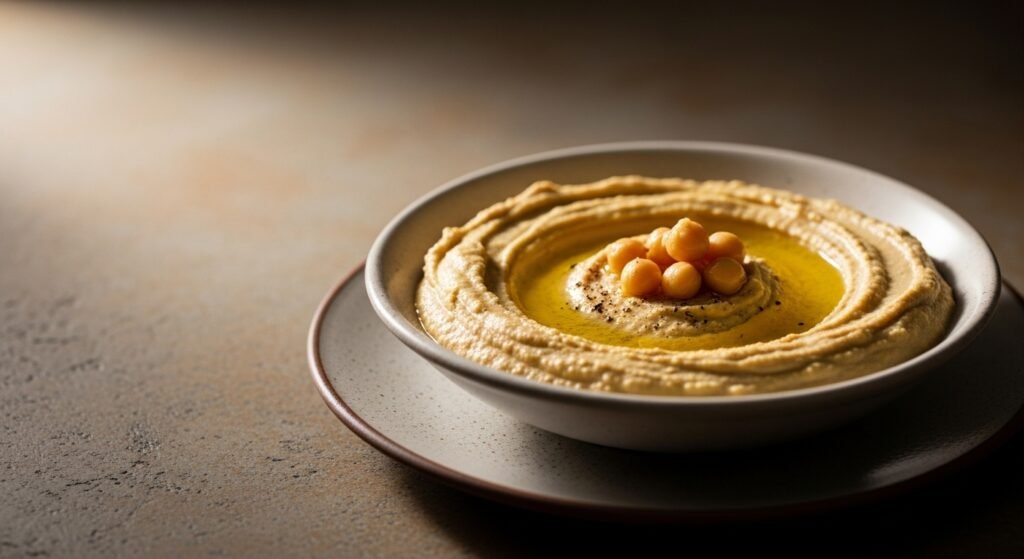
Hummus has been enjoyed in the Middle East for centuries. Made from chickpeas, olive oil, and tahini, it offers both nutrition and flavor. Its ingredients are simple, yet the combination creates a dish that continues to be widely appreciated across the world.