 Charlotte Moore
 Airport security regulations change more frequently than most airport passengers understand. The smallest changes in security procedures and policies will determine your packing choices and your bag contents and your security inspection process. The airlines usually publish updates to their policies on their websites which results in their most frequent customers not receiving the information. The Transportation Security Administration has issued ten new rule changes and clarifications which many travelers still do not understand.
Digital IDs at Select Airports
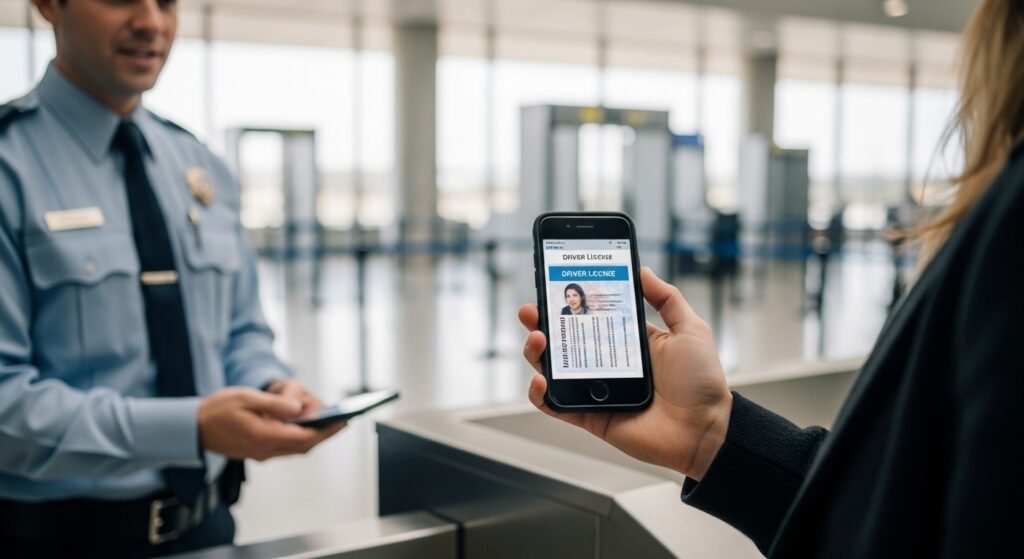
The TSA now accepts specific digital driver licenses at participating airports according to its expanded verification policy. Travelers can present approved mobile IDs where available, though carrying physical identification remains recommended.
REAL ID Enforcement
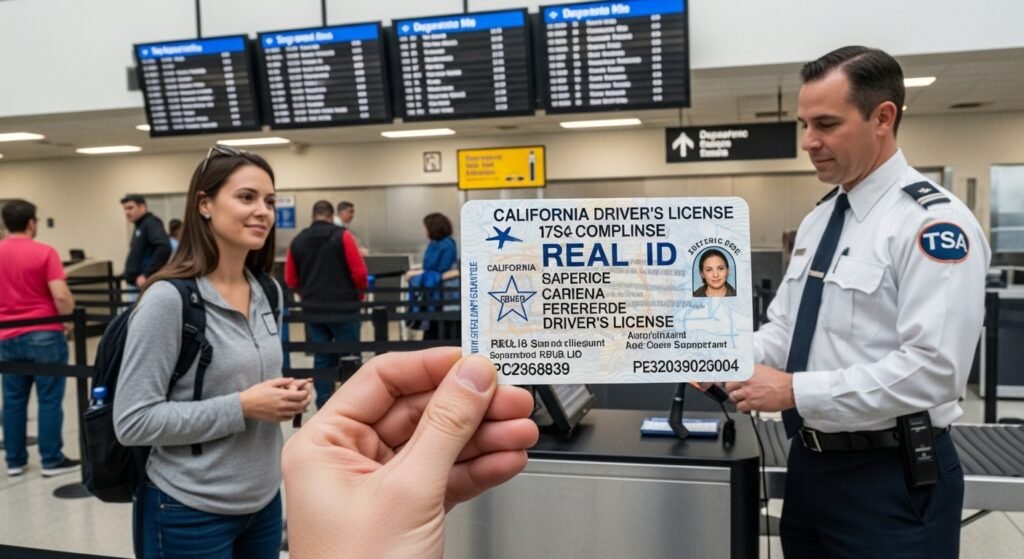
Travelers within the United States must present REAL ID-compliant identification when they fly on domestic flights. Passengers without compliant IDs may need alternative acceptable identification documents.
Power Banks Must Stay in Carry-On Bags
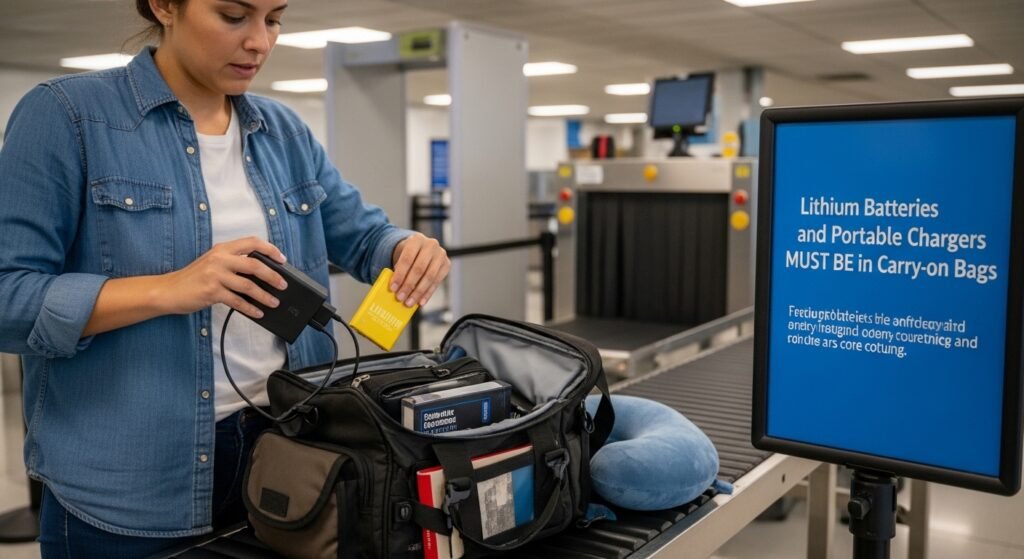
Air travelers must pack their lithium battery packs and portable chargers into their carry-on bags because fire safety regulations prohibit checked baggage delivery. The regulations do not allow checked baggage for these items because they need to remain in carry-on luggage.
Full-Size Liquids Still Restricted
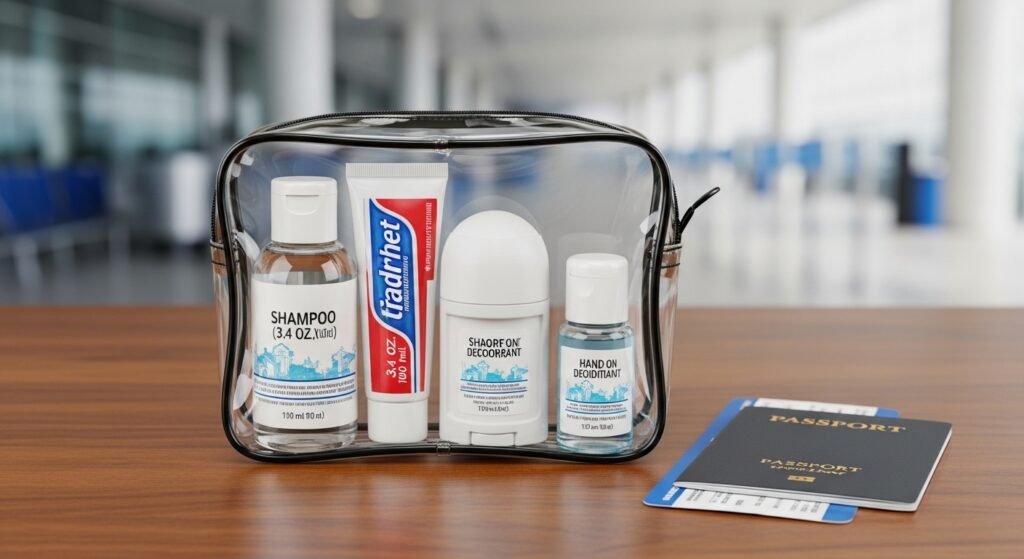
The 3-1-1 rule for liquids in carry-ons remains in effect. The maximum container size for carry-on liquids must be 3.4 ounces (100 milliliters) which allows passengers to bring their liquids in one quart-sized bag.
Enhanced Screening for Electronics
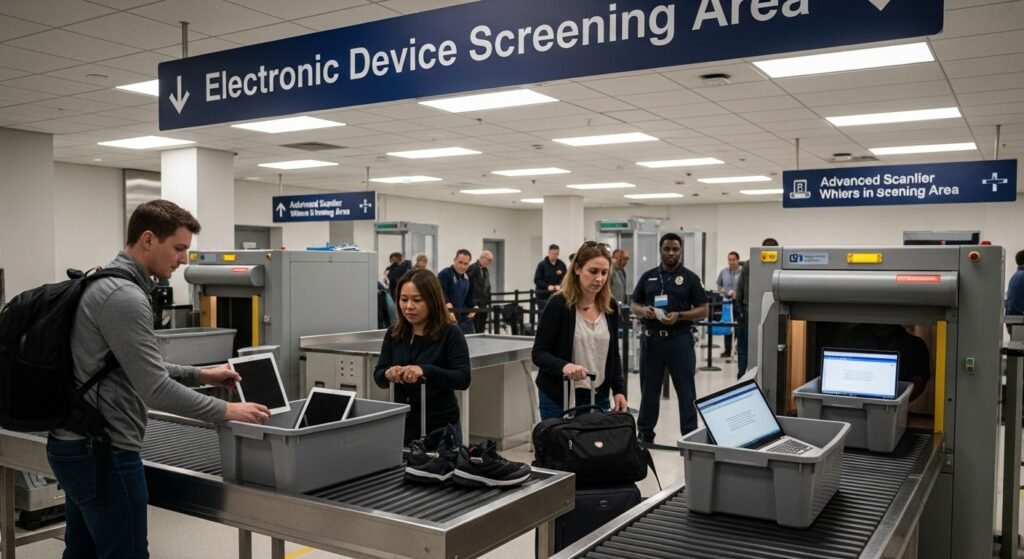
Travelers need to undergo extra screening for their larger electronic devices which include laptops and tablets that require separate screening from standard lanes. Some airports with advanced scanners allow items to remain in bags.
TSA PreCheck Lane Differences
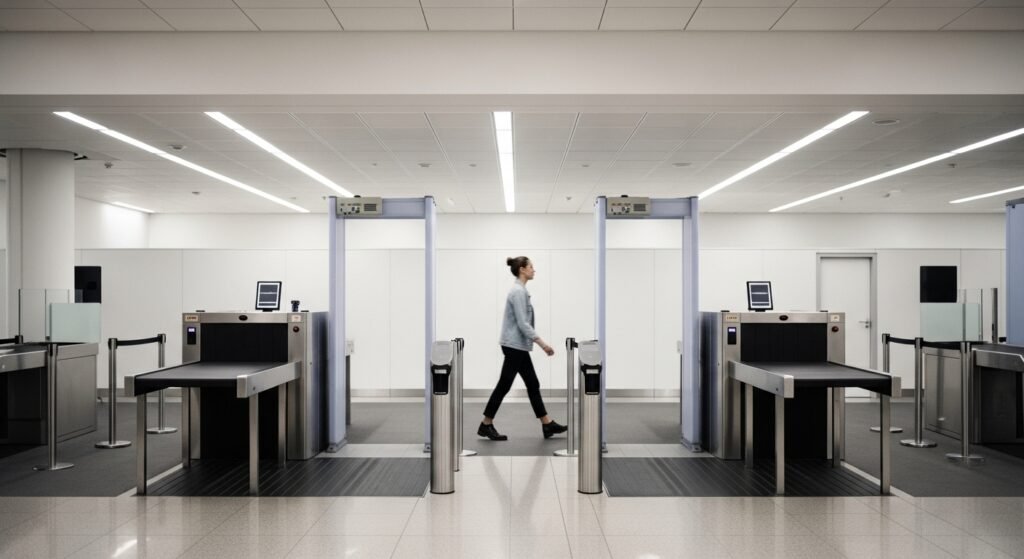
PreCheck travelers can pass through designated lanes while wearing their belts and shoes and light jackets. The standard screening lanes need passengers to remove their shoes and belts and other protective clothing.
Powder Screening Guidelines
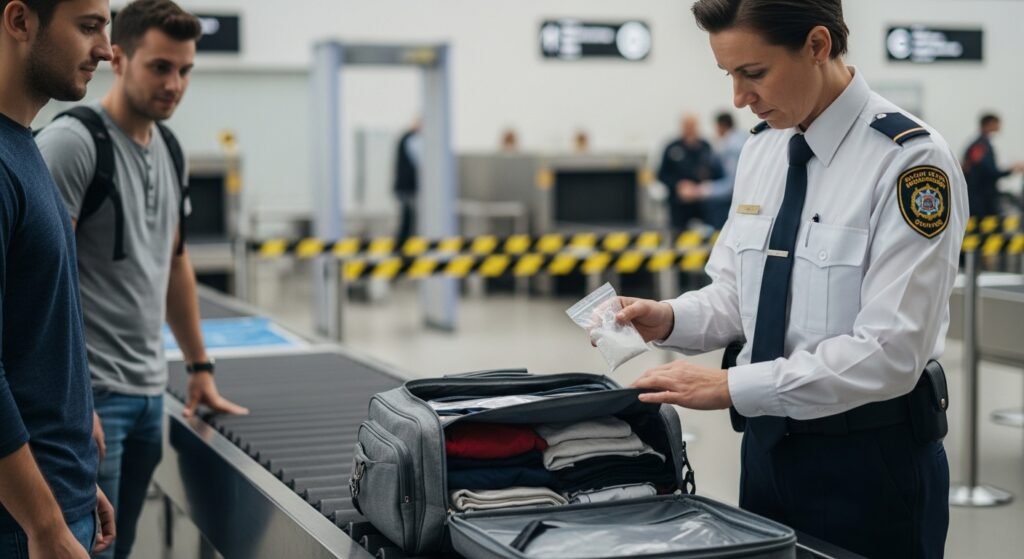
International travel requires extra powder screening when travelers carry powder substances which exceed specific weight limits. The inspection process becomes faster when inspectors can access powder materials which need to be examined.
Food Items May Trigger Extra Screening
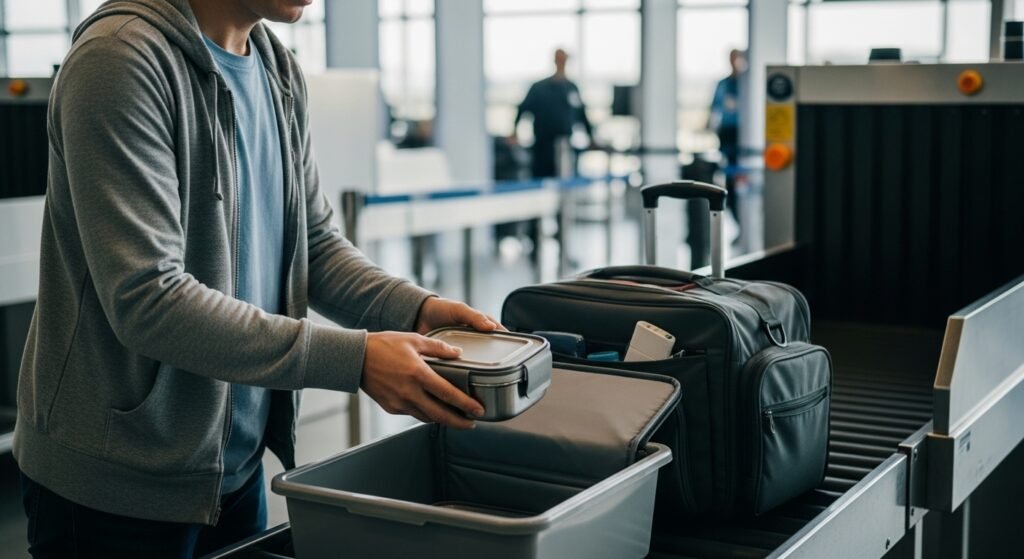
Passengers are allowed to bring solid foods in their carry-on bags however, they need to undergo extra screening when they carry dense or unusual items. Proper packing methods enable passengers to achieve faster processing times.