 Charlotte Moore
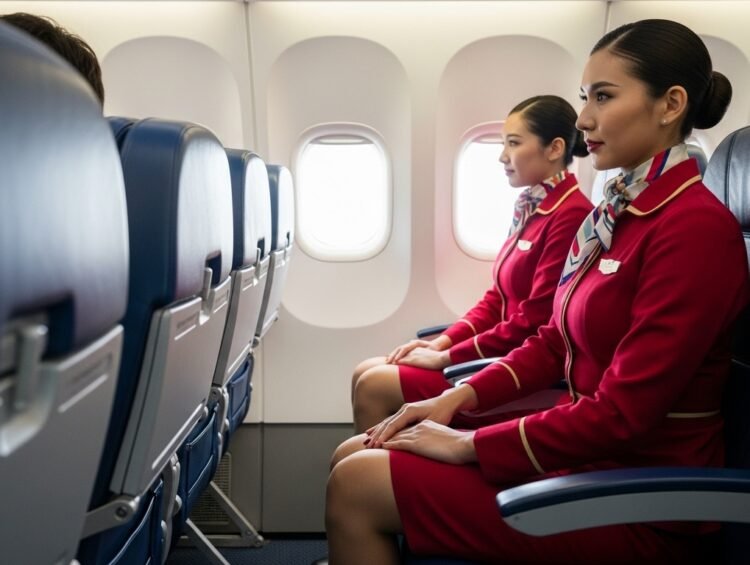
 The observation of passengers occurs during takeoff and landing when flight attendants maintain a certain seated position with their hands positioned beneath their legs. Flight crews comply with established safety protocols which dictate their operational procedures so flight attendants should not be considered unusual when they perform this particular body position. The essential activities which staff members carry out during these crucial operational times exist to meet specific objectives. The travelers who understand this position will gain knowledge about safety procedures which protect them throughout their entire flight experience.
Known as the Brace Position
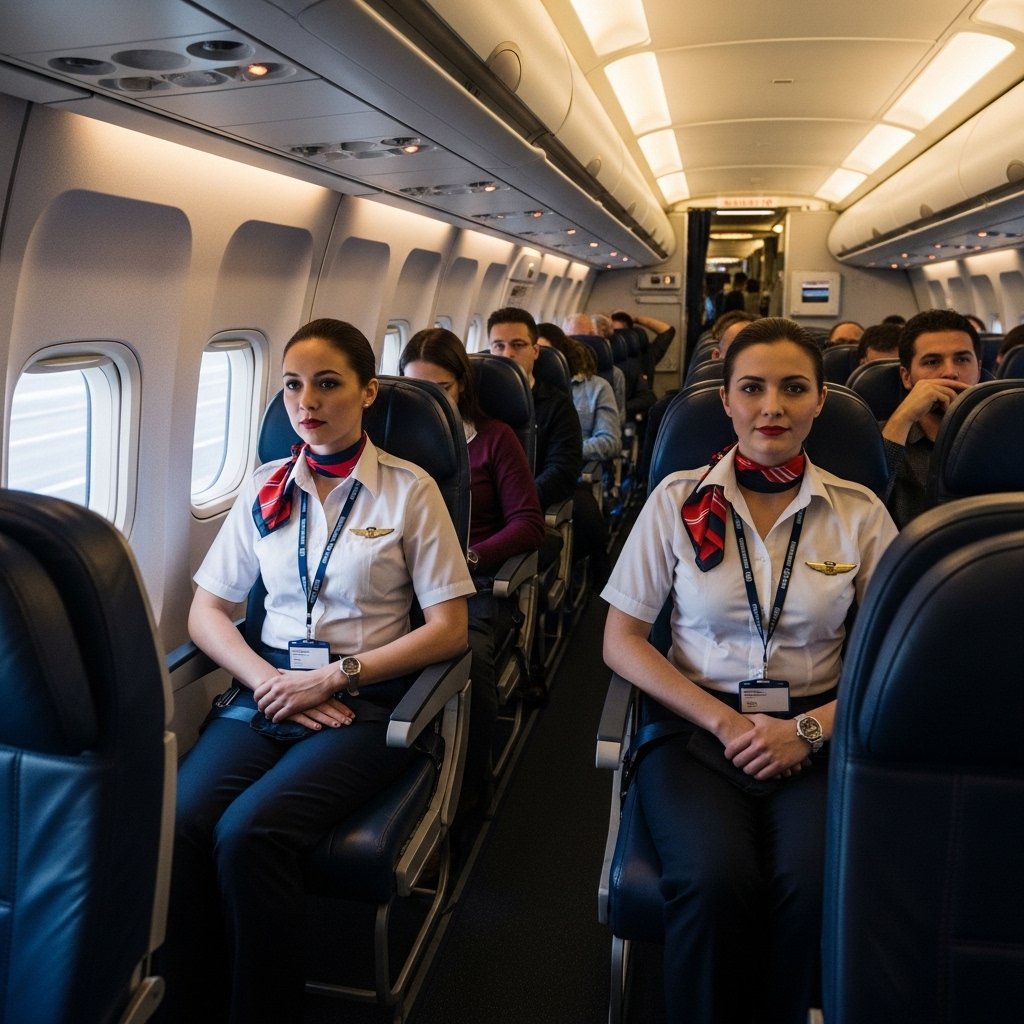
The brace position serves as a safety method which includes this sitting position. The brace position enables flight attendants to maintain preparation during critical flight times which include takeoff and landing.
Helps Maintain Body Stability
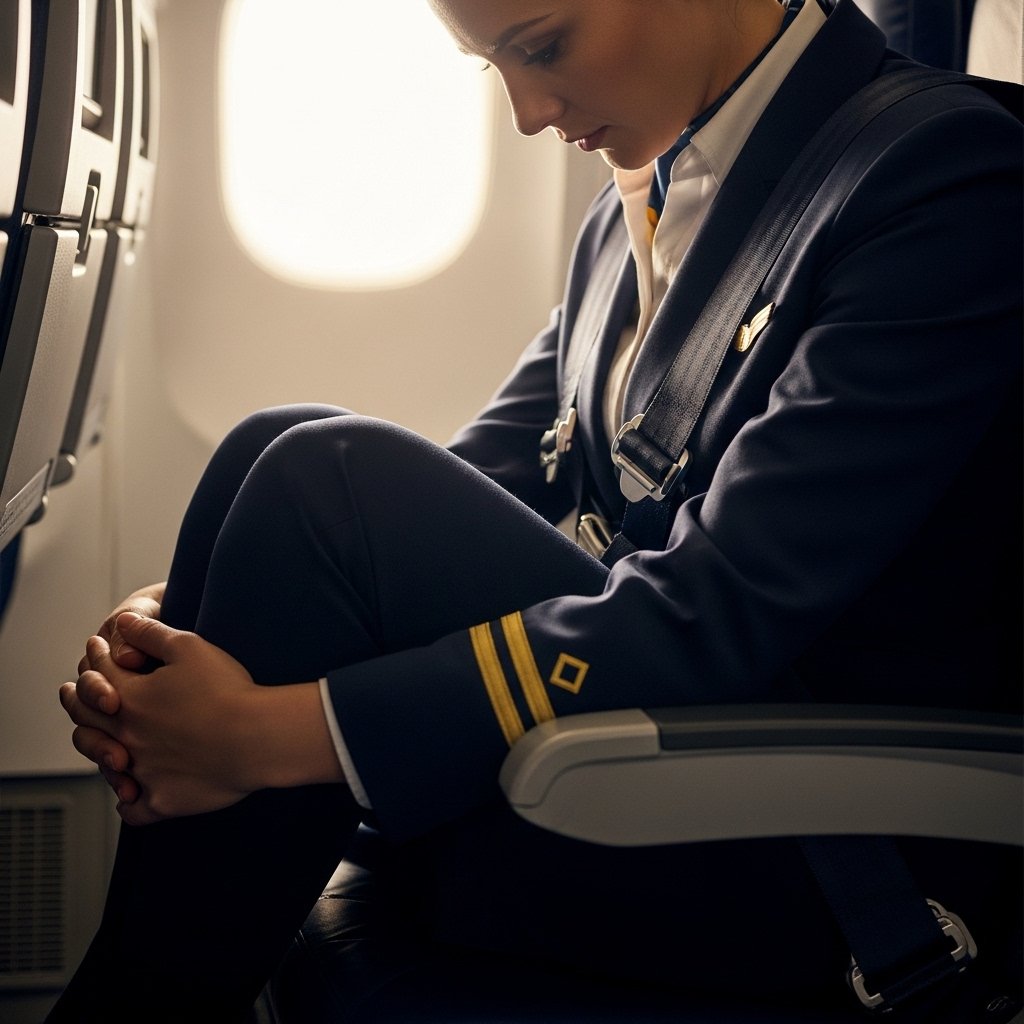
The body position requires people to place their hands underneath their legs which results in their arms remaining in a fixed position against their body. The position provides better stability because it safeguards against sudden movements.
Reduces Risk of Injury
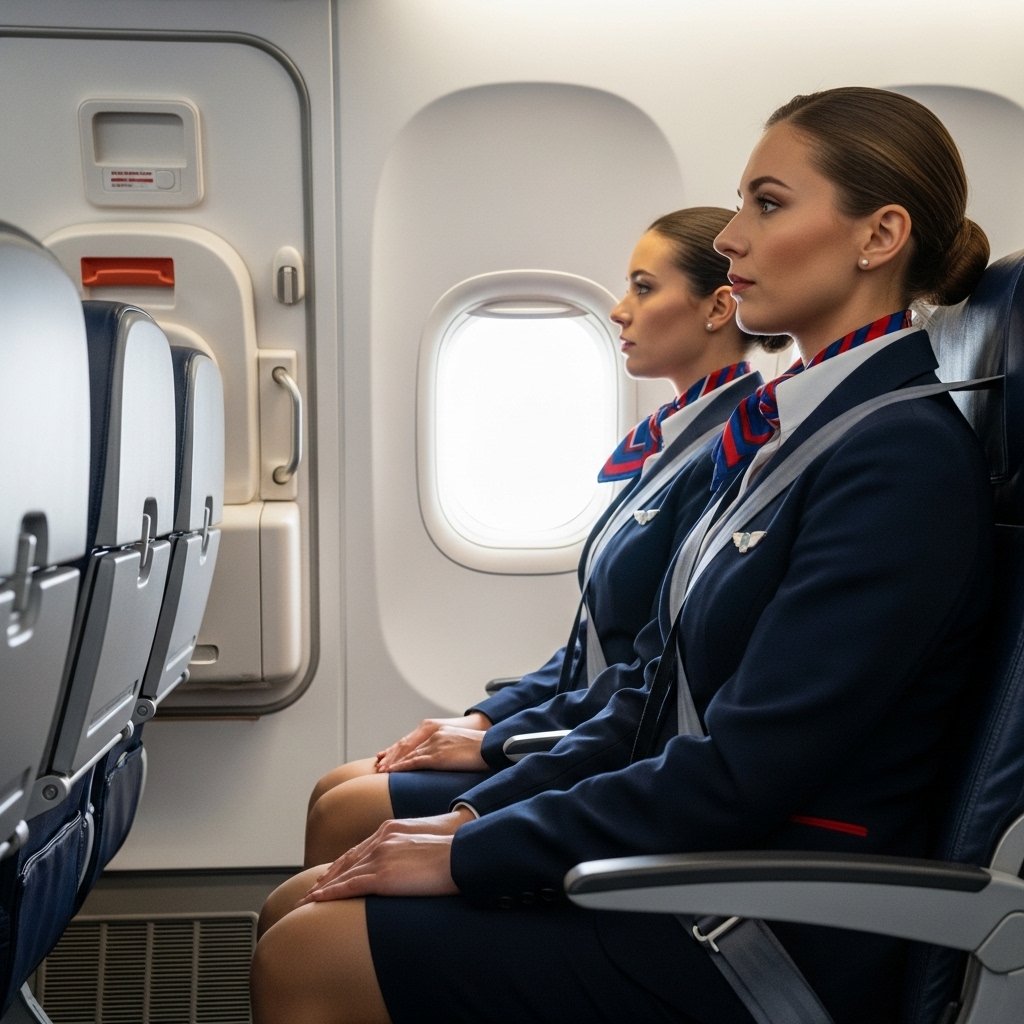
The current hand positioning protects against arm and hand movement which could occur during an impact which reduces risk of injury. The body posture bases itself on controlled movements.
Prepares for Emergency Situations
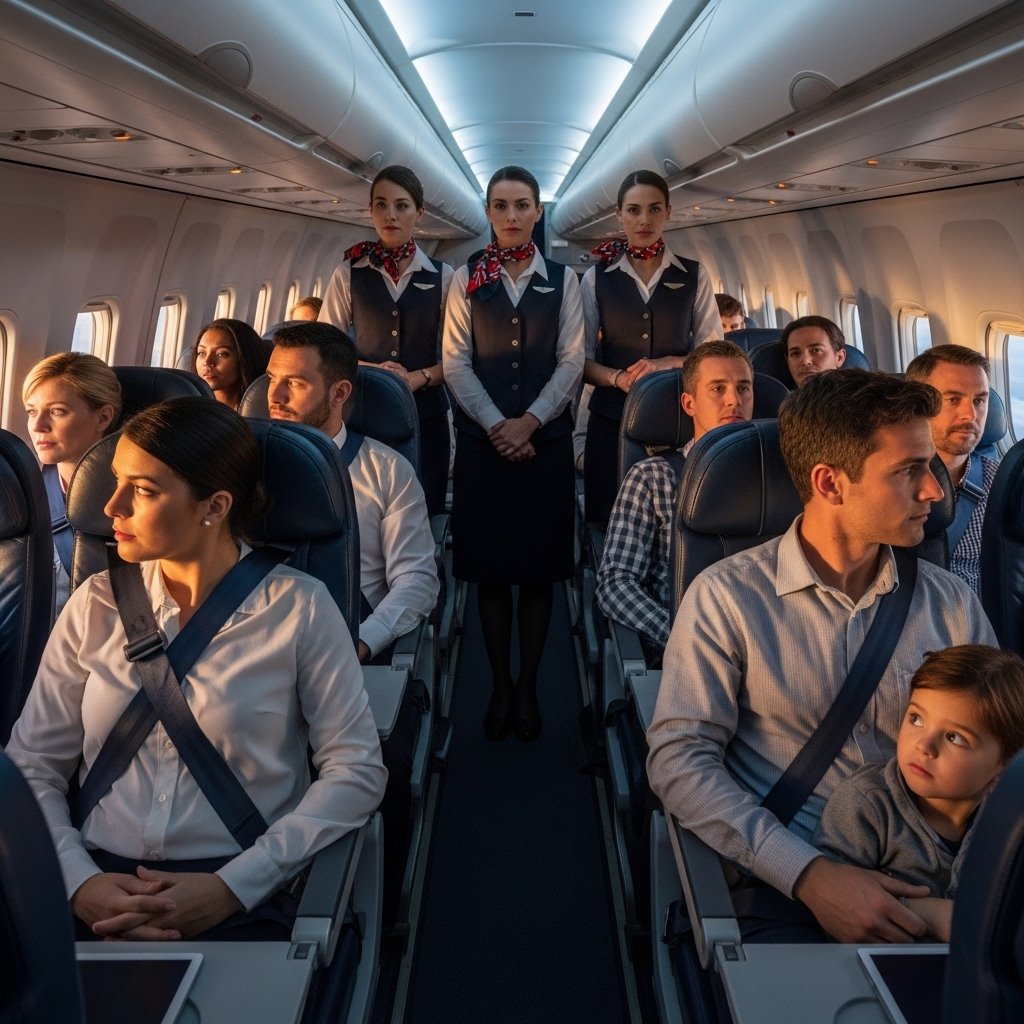
The flight attendants maintain their complete alert state during all takeoff and landing operations. The position enables them to execute their duties when they need to deliver instructions to others.
Keeps Hands Free From Objects
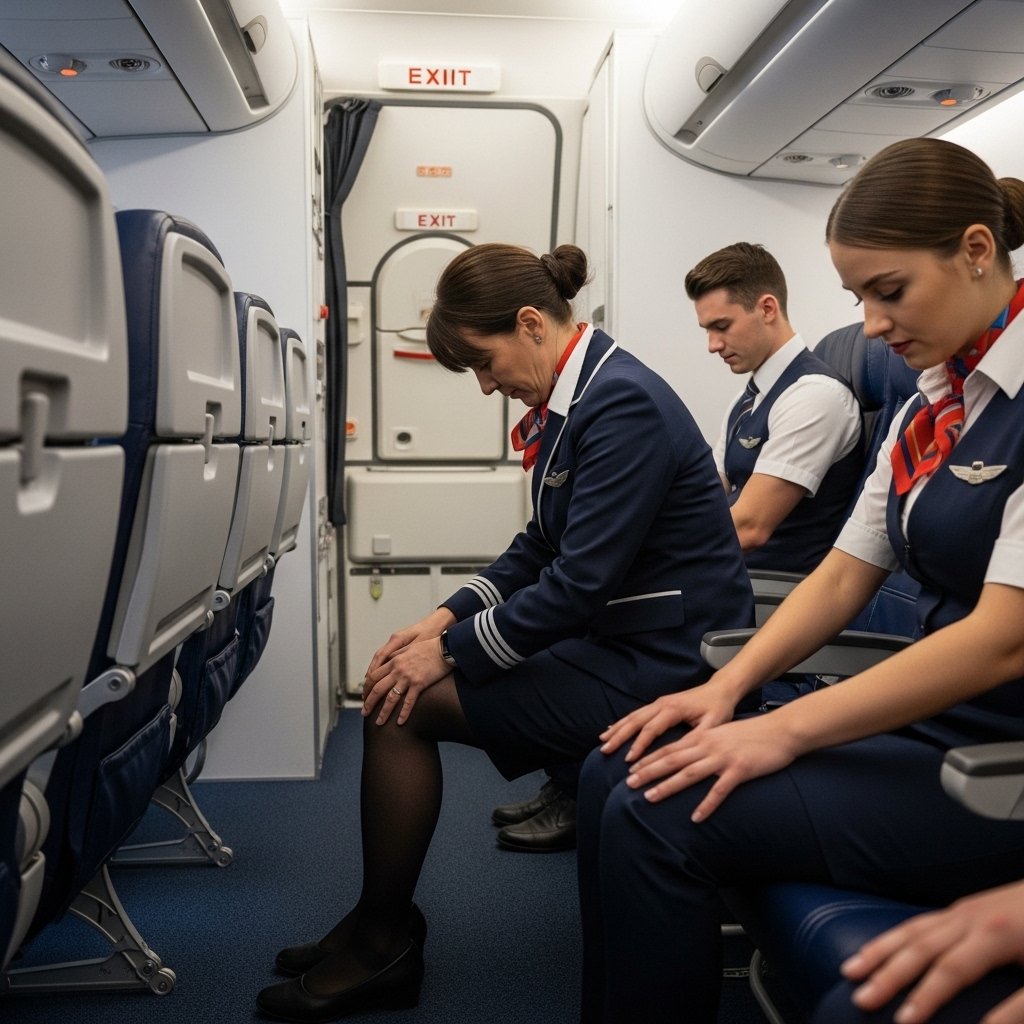
The crew members use the method of placing their hands under their legs which stops them from handling any objects. The approach guarantees their complete attention to safety operations which they need to perform.
Part of Standard Training
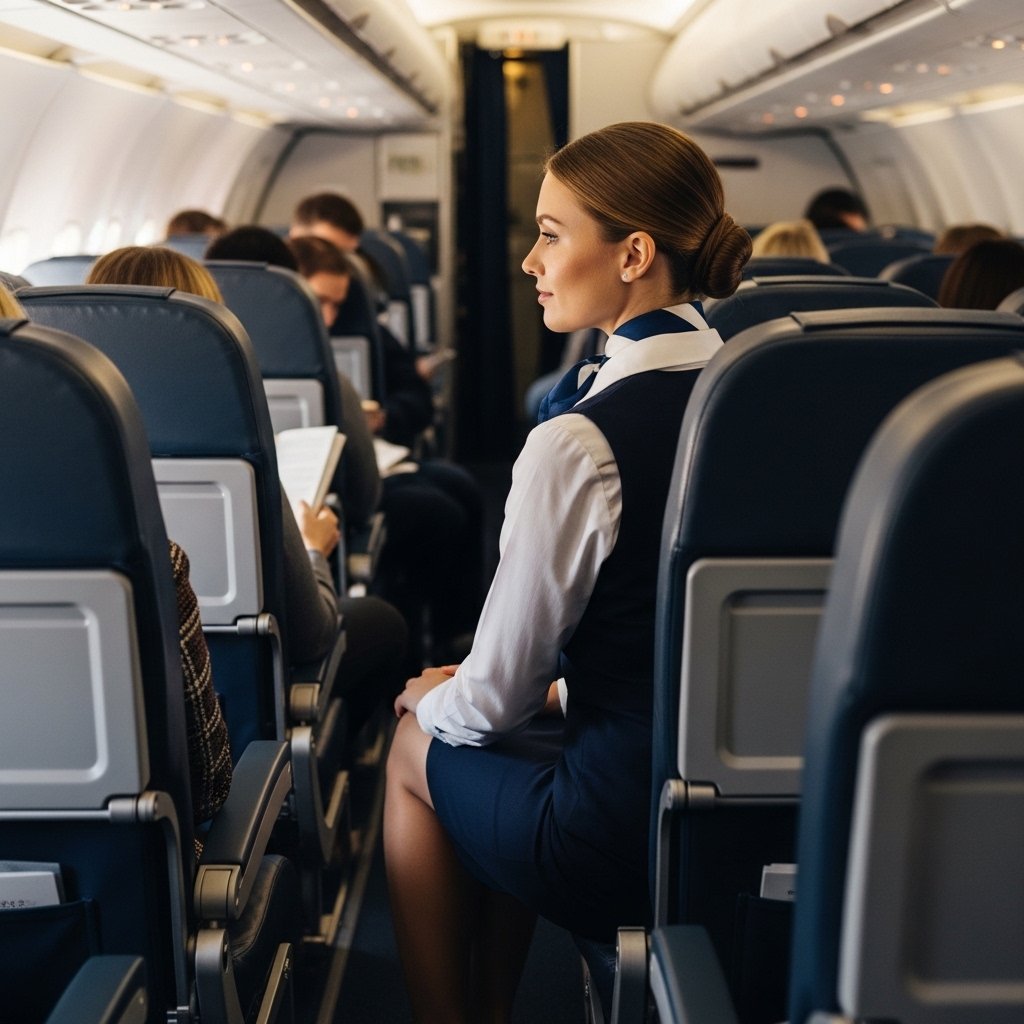
Indeed, flight attendants receive training for different safety positions. This guides them to show appropriate behaviour with customers during the journey. The airlines use this body position as a common operational procedure which multiple carriers employ.
Helps With Mental Focus
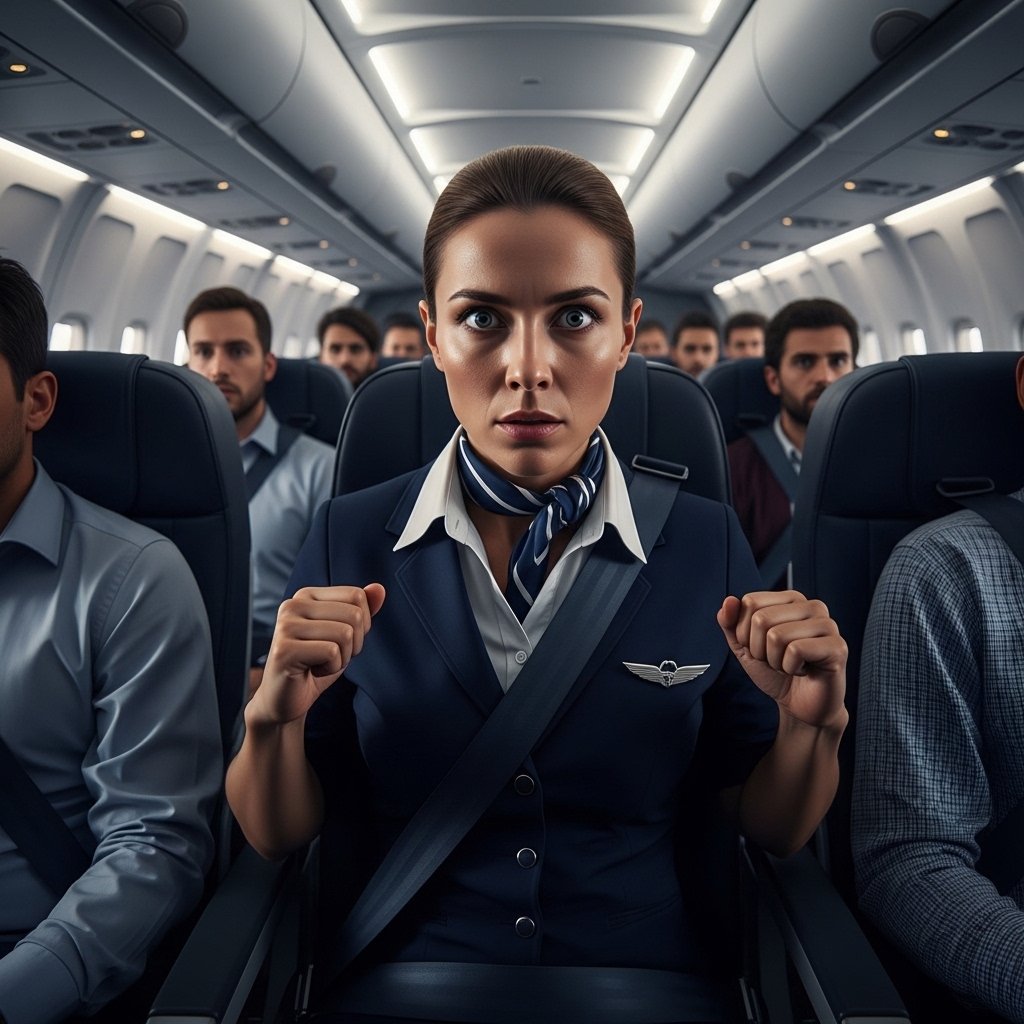
The crew members use fixed seating to achieve complete concentration while remaining awake. The flight enters into a period which demands maximum attention from the crew members.
Used During Critical Flight Phases
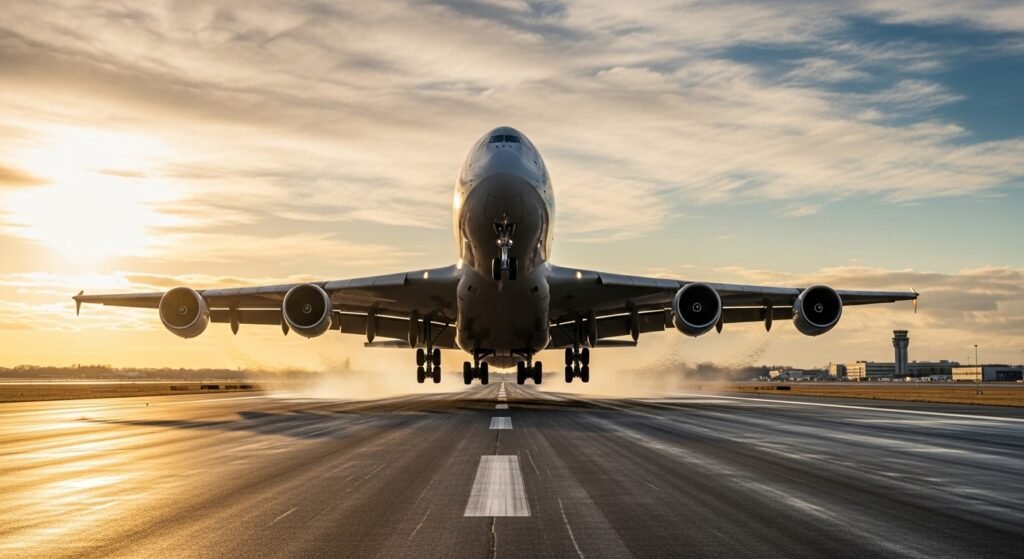
The aircraft requires this position during its essential flight operations. The aircraft needs this position during its takeoff and landing phases which represent vital times in its entire flight process.
Supports Quick Reaction Time
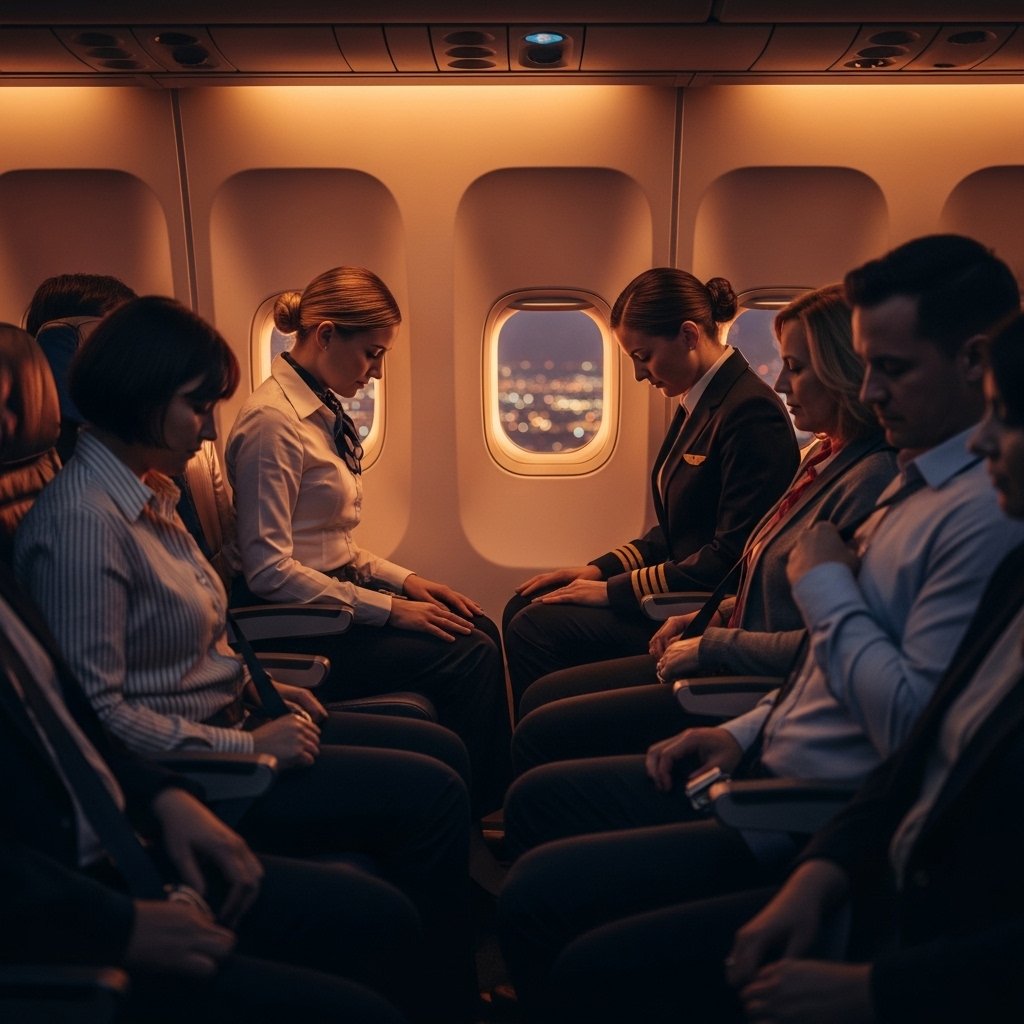
Crew members maintain their stable position while their hands rest at their side, which enables them to respond to any emergency situation that arises without needing to change their current body stance.
Visible Safety Practice
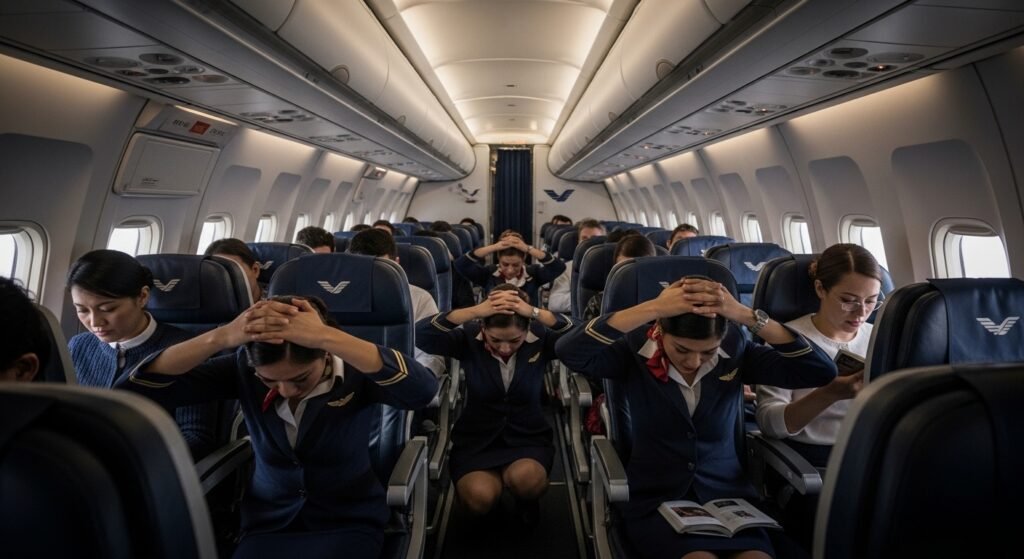
During flights, passengers can see the crew’s protective position, which demonstrates their dedication to safety procedures that ensure their operation moves forward without disruptions and maintains a secure environment.