
 Charlotte Moore
 Online food ordering has become part of daily life in India, but scammers are using this trend in new ways. A growing number of fraud cases involve fake food orders, payment requests, or delivery issues shared through messaging apps like WhatsApp. The scams create a realistic appearance that needs to be treated as an urgent matter. People can protect their money during online transactions when they understand the scam methods and implement basic security measures.
Fake Food Order Messages Are Increasing

Many people report receiving unexpected messages about food orders they never placed. Cybercrime trends in India show that yearly UPI-related fraud cases exceed lakhs while messaging scams become a more common type of fraud.
Scammers Use Trusted Brand Names

Fraudsters often pretend to be from popular food apps or restaurants. They use logos and names that people recognize to create authentic-looking messages which enable them to establish trust with others.
Refund or Cancellation Tricks

Scammers may say your order failed and ask you to scan a QR code or click a link for a refund. The process will ultimately result in unauthorized access to your financial resources.
QR Code Payment Fraud
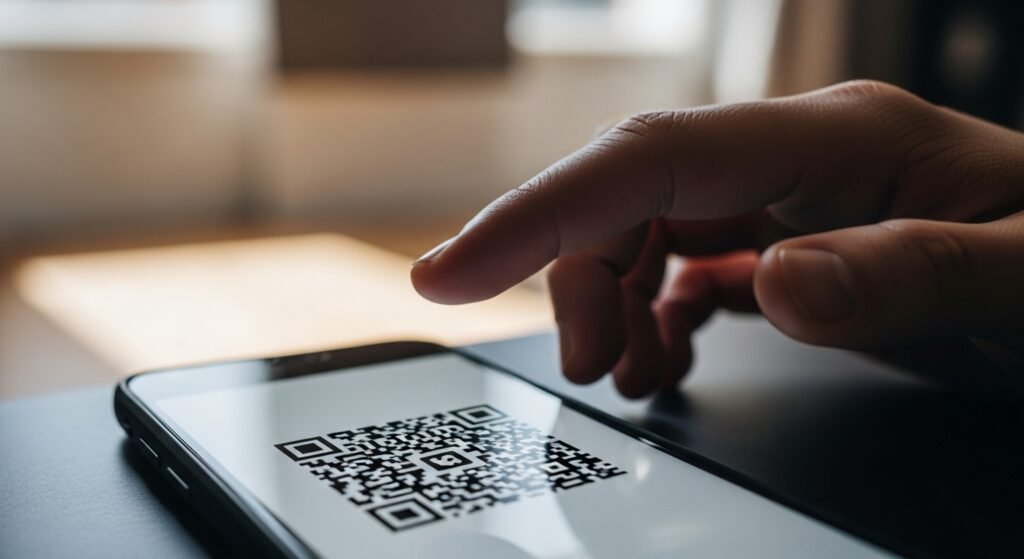
Victims receive requests to scan a QR code in most situations. The number of QR-based scams in India has increased because users do not recognize that scanning a QR code can result in them making payments instead of receiving funds.
Small Amount Requests First

Some scammers begin with a small amount like ₹10 or ₹20 to build trust. They will start with small transactions before asking for larger amounts after creating a situation that seems familiar to them.
Use of Urgency and Pressure

The messages create urgency through statements which say that “order will be canceled” or “delivery blocked.” This pressure causes people to make decisions without taking the time to verify information.
Fake Delivery Executive Calls

Scammers may call pretending to be delivery agents asking for location confirmation or payment issues. The callers present their speech patterns in ways which deceive listeners into believing their authenticity.
UPI Fraud Numbers Are Rising
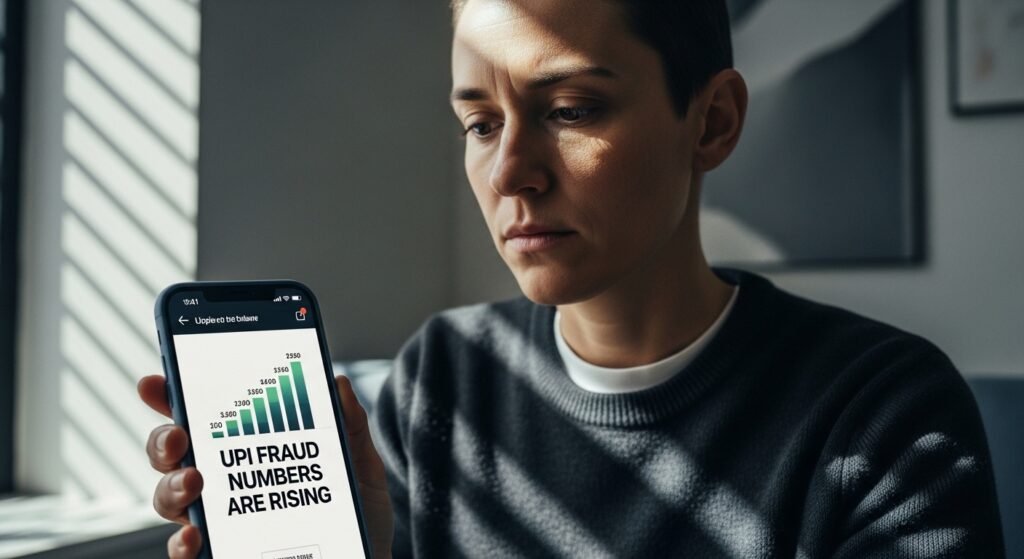
The recent reports show that digital payment fraud cases in India increased during the past year with UPI scams becoming the most frequently reported fraud type.
Users Fail to Verify Message Sources

Many users act without verifying the source of the message. The situation can be prevented through basic checks which include confirming information through the official application.
Simple Safety Steps Help

People need to avoid unknown QR code scanning and stop sharing their OTPs while using official applications for their payment transactions. The activation of transaction alerts enables users to monitor their financial activities in real time.